

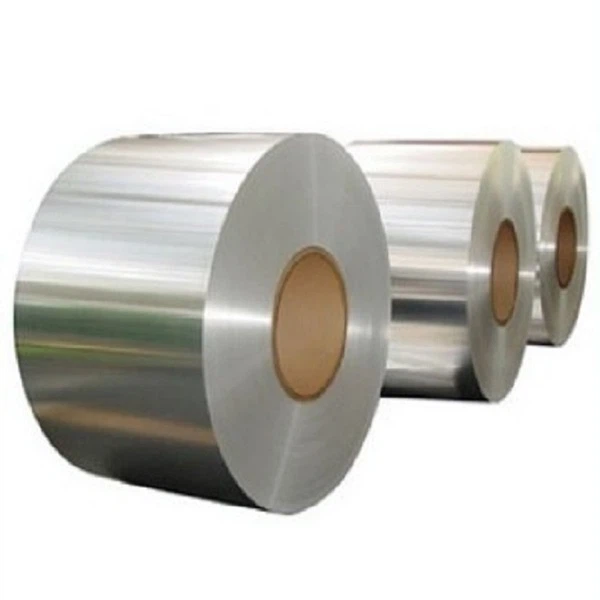
Yo! As a coil aluminum roll supplier, I'm stoked to dive into the topic of what formability of coil aluminum roll really means. It's a super important aspect that can make or break a project when you're working with these aluminum rolls.
First off, let's get clear on what formability is. In simple terms, formability refers to how easily a material can be shaped into different forms without cracking, tearing, or losing its integrity. When it comes to coil aluminum rolls, this is crucial because they're used in a ton of different applications where they need to be bent, rolled, stamped, or otherwise manipulated.
One of the key factors that affect the formability of coil aluminum rolls is the alloy composition. Different aluminum alloys have different properties, and some are more formable than others. For example, the 1050 Aluminum Coil is known for its excellent formability. It's a commercially pure aluminum alloy, which means it has a high ductility and can be easily formed into various shapes. This makes it a popular choice for applications like roofing, where it needs to be bent and shaped to fit the contours of a building.
Another factor is the temper of the aluminum. The temper refers to the heat treatment and mechanical processing that the aluminum has undergone. Soft tempers, like O-temper, are more formable because the aluminum is in a more malleable state. On the other hand, hard tempers, like T6, are stronger but less formable. So, depending on your specific application, you'll need to choose the right temper for your coil aluminum roll.
The thickness of the coil aluminum roll also plays a role in its formability. Thinner rolls are generally more formable than thicker ones because they're more flexible. However, you also need to consider the strength requirements of your application. If you need a roll that can withstand a lot of stress, you might need to go with a thicker roll, even if it's a bit less formable.
Now, let's talk about some of the common forming processes that coil aluminum rolls are used in. One of the most common is bending. Bending can be done using a variety of methods, such as press brakes, rollers, or tube benders. When bending coil aluminum rolls, it's important to use the right tools and techniques to ensure a smooth and accurate bend. For example, you might need to use a mandrel to prevent the aluminum from collapsing during the bending process.
Stamping is another popular forming process. Stamping involves using a die to cut, shape, or form the aluminum into a specific pattern or design. This is commonly used in the manufacturing of automotive parts, electronic components, and decorative items. The formability of the coil aluminum roll is crucial in stamping because it needs to be able to flow into the die without cracking or tearing.
Roll forming is yet another important process. In roll forming, the coil aluminum roll is passed through a series of rollers to gradually shape it into a desired cross-sectional profile. This is often used in the production of roofing panels, gutters, and other long, straight products. The formability of the aluminum roll is essential in roll forming to ensure that it can be formed into the correct shape without any defects.
When it comes to using coil aluminum rolls in roofing applications, formability is especially important. Aluminum Coil for Roofing and Aluminum Roofing Coil need to be able to be bent and shaped to fit the different styles and designs of roofs. They also need to be able to withstand the elements, such as wind, rain, and snow. So, choosing a coil aluminum roll with good formability and high corrosion resistance is crucial for a successful roofing project.
In addition to the technical aspects of formability, there are also some practical considerations when working with coil aluminum rolls. For example, it's important to handle the rolls carefully to avoid damage. Scratches or dents on the surface of the aluminum can affect its formability and appearance. You also need to store the rolls in a dry and clean environment to prevent corrosion.
So, if you're in the market for coil aluminum rolls, it's important to understand the formability requirements of your application. Whether you're a contractor, a manufacturer, or a DIY enthusiast, choosing the right coil aluminum roll with the appropriate formability can make your project a lot easier and more successful.
If you have any questions or need more information about our coil aluminum rolls, don't hesitate to reach out. We're here to help you find the perfect solution for your needs. Whether you're looking for a highly formable 1050 Aluminum Coil for a roofing project or a stronger alloy for a more demanding application, we've got you covered. Let's start a conversation and see how we can work together to make your project a reality.

References
- ASM Handbook, Volume 2: Properties and Selection: Nonferrous Alloys and Special-Purpose Materials
- Aluminum Association Technical Papers on Aluminum Forming and Applications