

When embarking on a project that requires the use of diamond aluminum coil, making the right choice is crucial. As a seasoned supplier of diamond aluminum coils, I understand the complexities and considerations involved in this decision. In this blog, I will share insights on how to select the most suitable diamond aluminum coil for your specific project.
Understanding Diamond Aluminum Coil
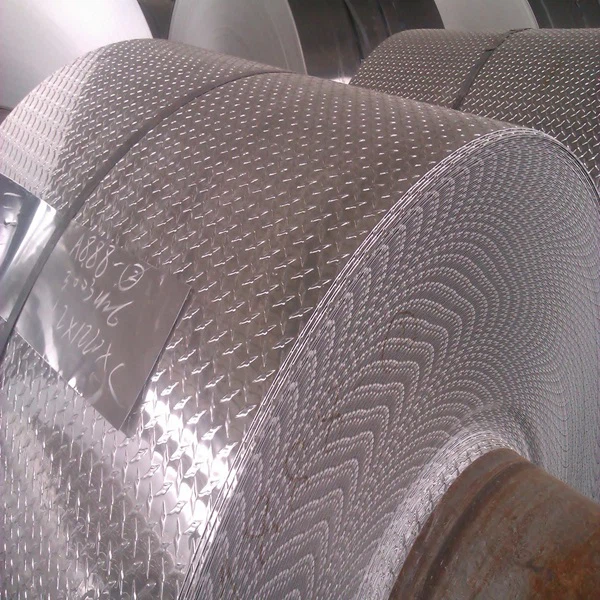
Diamond aluminum coil, also known as Diamond Aluminum Coil, is a type of aluminum sheet with a raised diamond pattern on its surface. This pattern not only enhances the aesthetic appeal but also provides additional traction and durability. It is widely used in various industries, including construction, transportation, and manufacturing.
The unique pattern of diamond aluminum coil offers several advantages. Firstly, it improves safety by reducing the risk of slipping, making it an ideal choice for flooring, ramps, and stairs. Secondly, the raised pattern adds strength and rigidity to the aluminum, increasing its resistance to wear and tear. Thirdly, diamond aluminum coil is lightweight yet strong, which makes it easy to handle and install, while also reducing the overall weight of the structure.
Factors to Consider When Choosing Diamond Aluminum Coil
1. Alloy Composition
The alloy composition of the diamond aluminum coil significantly affects its properties and performance. Different alloys have varying levels of strength, corrosion resistance, and formability. For example, 3003 aluminum alloy is a popular choice for general-purpose applications due to its good formability and moderate strength. On the other hand, 5052 aluminum alloy offers higher strength and better corrosion resistance, making it suitable for marine and outdoor applications.
When selecting an alloy, consider the specific requirements of your project. If the coil will be exposed to harsh environmental conditions, such as saltwater or chemicals, choose an alloy with high corrosion resistance. If the project requires extensive forming or bending, opt for an alloy with good formability.
2. Thickness
The thickness of the diamond aluminum coil is another important factor to consider. Thicker coils generally offer greater strength and durability, but they are also heavier and more expensive. Thinner coils, on the other hand, are lighter and more cost-effective, but they may not be suitable for applications that require high strength.
To determine the appropriate thickness, consider the load-bearing requirements of the project. For example, if the coil will be used as flooring in a high-traffic area, a thicker coil may be necessary to withstand the weight and impact. If the coil will be used for decorative purposes or in a low-stress application, a thinner coil may be sufficient.
3. Pattern Size and Design
Diamond aluminum coils come in a variety of pattern sizes and designs. The size of the diamond pattern can affect the appearance and functionality of the coil. Larger patterns generally provide more traction, but they may also be more visible and less aesthetically pleasing. Smaller patterns, on the other hand, offer a more subtle look but may provide less traction.
In addition to the pattern size, consider the design of the pattern. Some patterns are more geometric and uniform, while others are more irregular and organic. Choose a pattern that complements the overall design of your project and meets your specific requirements.
4. Surface Finish
The surface finish of the diamond aluminum coil can also impact its appearance and performance. Common surface finishes include mill finish, anodized finish, and painted finish.
- Mill Finish: This is the natural finish of the aluminum coil, which has a dull, matte appearance. Mill finish is the most cost-effective option, but it is also the least resistant to corrosion and scratches.
- Anodized Finish: Anodizing is an electrochemical process that creates a protective oxide layer on the surface of the aluminum. Anodized finish provides excellent corrosion resistance and durability, and it can also be colored to match the desired aesthetic.
- Painted Finish: Painting the diamond aluminum coil can enhance its appearance and provide additional protection against corrosion. There are various types of paints available, including powder coatings and liquid paints. Choose a paint that is suitable for the application and provides the desired level of durability.
5. Quantity and Budget
Finally, consider the quantity of diamond aluminum coil you need and your budget. Bulk purchases often offer significant cost savings, so if you have a large project, it may be beneficial to buy in larger quantities. However, make sure to consider your storage space and the lead time for delivery.

When setting your budget, factor in the cost of the coil, as well as any additional expenses such as shipping, installation, and finishing. Compare prices from different suppliers to ensure you are getting the best value for your money.
Applications of Diamond Aluminum Coil
1. Construction
In the construction industry, diamond aluminum coil is commonly used for flooring, wall cladding, roofing, and decorative elements. Its slip-resistant surface makes it an ideal choice for areas such as staircases, ramps, and walkways, where safety is a concern. The lightweight and durable nature of the coil also make it suitable for use in high-rise buildings and other structures where weight reduction is important.
2. Transportation
Diamond aluminum coil is widely used in the transportation industry, including automotive, aerospace, and marine applications. In automotive manufacturing, it is used for floor mats, running boards, and decorative trim. In aerospace, it is used for aircraft flooring and interior panels. In the marine industry, it is used for boat decks, ramps, and bulkheads due to its corrosion resistance and high strength-to-weight ratio.
3. Manufacturing
In the manufacturing sector, diamond aluminum coil is used for a variety of purposes, such as machine guards, conveyor belts, and storage containers. Its wear-resistant surface and high strength make it suitable for use in harsh industrial environments.
Conclusion
Choosing the right diamond aluminum coil for your specific project requires careful consideration of several factors, including alloy composition, thickness, pattern size and design, surface finish, quantity, and budget. By understanding these factors and working with a reputable supplier, you can ensure that you select the most suitable coil for your needs.
As a trusted supplier of Aluminum Tread Coil and Tread Aluminum Coil, we are committed to providing high-quality products and excellent customer service. If you have any questions or need assistance in choosing the right diamond aluminum coil for your project, please do not hesitate to contact us. We look forward to working with you to meet your project requirements.
References
- Aluminum Association. (n.d.). Aluminum Alloys and Their Properties. Retrieved from [Website URL]
- ASM International. (n.d.). Aluminum and Aluminum Alloys. Handbook of Engineering Materials.
- Various industry publications and technical resources on aluminum products and applications.