

Hey there! As a supplier of aluminium roof coil, I often get asked about the resistance to chemical substances of these coils. It's a super important topic, especially for folks looking to install or replace their roofs. So, let's dive right in and explore this together.
Understanding Aluminium's Natural Resistance
First off, aluminium has some pretty cool properties that give it a natural edge when it comes to chemical resistance. Aluminium is a reactive metal, but when it's exposed to oxygen in the air, it forms a thin, protective layer of aluminium oxide on its surface. This layer acts as a shield, preventing further oxidation and protecting the metal underneath from a whole bunch of chemical attacks.
This natural oxide layer is self - healing. That means if it gets scratched or damaged, as long as there's oxygen around, a new layer will form quickly to keep the protection going. It's like having an invisible bodyguard for your aluminium roof coil!
Resistance to Common Atmospheric Chemicals
In normal atmospheric conditions, aluminium roof coils do really well. They can handle exposure to oxygen, nitrogen, and a small amount of carbon dioxide without any major issues. These gases are part of the air we breathe every day, and aluminium just shrugs them off.
However, things can get a bit more complicated when we talk about pollutants. Sulfur dioxide, which is released from burning fossil fuels, can react with the aluminium oxide layer. In areas with high levels of sulfur dioxide pollution, like industrial zones, the oxide layer might break down a bit faster. But don't worry too much - modern aluminium roof coils are often treated to be more resistant to such pollutants.
Another common atmospheric chemical is ozone. Ozone is a strong oxidizing agent, and it can also have an impact on the aluminium surface. But again, the natural oxide layer helps to slow down the reaction. In most cases, the damage caused by ozone is minimal and won't affect the long - term performance of the aluminium roof coil.
Resistance to Acidic and Alkaline Substances
Acids and alkalis can be a bit more of a challenge for aluminium roof coils. Aluminium reacts with acids to form aluminium salts and hydrogen gas. For example, hydrochloric acid can eat away at the aluminium quite rapidly. So, if your roof is exposed to acidic rain (which can be caused by sulfur dioxide and nitrogen oxides in the air), there's a risk of corrosion.
On the other hand, alkalis also react with aluminium. Sodium hydroxide, a common strong alkali, can dissolve the aluminium oxide layer and then react with the aluminium metal itself. This can lead to pitting and weakening of the coil.
But here's the good news. We can take steps to improve the resistance of aluminium roof coils to acids and alkalis. One way is through surface treatment. Anodizing is a popular process where we create a thicker and more durable oxide layer on the aluminium surface. You can check out our Anodized Aluminum Coil for more details on this. Anodized aluminium is much more resistant to both acids and alkalis compared to untreated aluminium.
Resistance in Marine Environments
If you live near the coast, your aluminium roof coil will face a unique set of challenges. Saltwater contains a high concentration of sodium chloride and other salts. These salts can accelerate the corrosion process. The chloride ions in the saltwater can break through the aluminium oxide layer and start attacking the metal underneath.
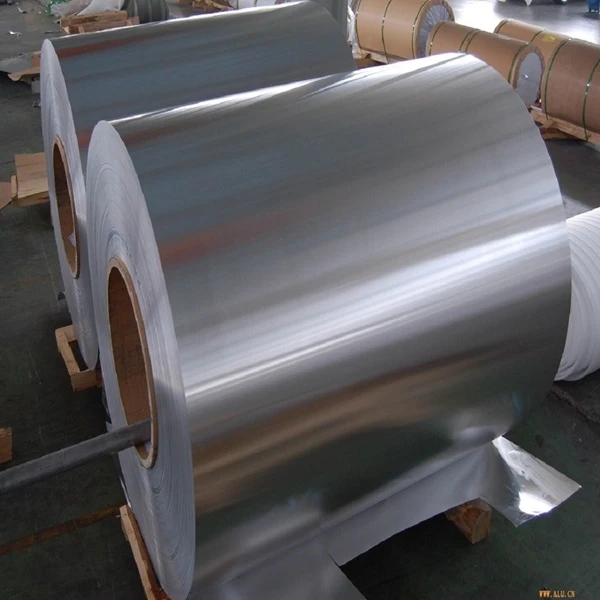
But aluminium still has some tricks up its sleeve. The key is to use high - quality aluminium alloys and proper surface treatments. For example, some aluminium alloys are specifically designed to be more resistant to saltwater corrosion. And surface coatings can provide an extra layer of protection. Our Rolled Aluminum Coil is available in different alloys and can be customized with the right coatings for marine environments.

Impact of Chemical Cleaning Agents
Sometimes, you might need to clean your aluminium roof. But be careful with the cleaning agents you use. Harsh chemicals like bleach or strong detergents can damage the aluminium surface. It's best to use mild, pH - neutral cleaners. These cleaners are gentle enough not to harm the protective oxide layer but still effective at removing dirt and grime.
If you're unsure about which cleaner to use, just give us a shout. We can provide you with some recommendations based on the type of aluminium roof coil you have.
How We Ensure High Chemical Resistance
As a supplier, we take chemical resistance very seriously. We start by using high - quality aluminium alloys. These alloys are carefully selected for their inherent resistance to corrosion. Then, we use advanced manufacturing processes to ensure that the coils are uniform and have a consistent protective layer.
We also offer a range of surface treatments. Besides anodizing, we can apply powder coatings or paint finishes. These coatings not only enhance the chemical resistance but also give the roof coil a nice look. You can choose from different colors and finishes to match your building's aesthetic.
Why Choose Our Aluminium Roof Coils
Our aluminium roof coils are a great choice for many reasons. First of all, their chemical resistance means they'll last a long time. You won't have to worry about frequent replacements due to corrosion. This saves you money in the long run.
Secondly, our coils are easy to install. They're lightweight compared to other roofing materials, which makes the installation process faster and less labor - intensive. And because they're available in different sizes and thicknesses, you can find the perfect coil for your project.
We also offer excellent customer service. If you have any questions about the chemical resistance of our coils or any other aspect of our products, our team is always here to help.
Let's Talk!
If you're in the market for aluminium roof coils, I'd love to have a chat with you. Whether you're building a new home, renovating an existing one, or working on a commercial project, we can find the right solution for you. Just reach out, and we can discuss your specific needs, the chemical environment your roof will be exposed to, and the best options for your budget.
References
- "Corrosion of Aluminium and Aluminium Alloys" by Davis, J.R.
- "Aluminium: Properties and Physical Metallurgy" by Hatch, J.E.