

Hey there! As a supplier of aluminum roofing coil, I often get asked about the price differences between different grades of these coils. It's a topic that's super important for anyone in the market for roofing materials, whether you're a contractor, a builder, or a homeowner looking to spruce up your place. So, let's dive right in and break down what causes these price variations.
Understanding Aluminum Grades
First off, it's crucial to understand that aluminum comes in different grades, each with its own set of properties and uses. The grade of aluminum affects its strength, corrosion resistance, formability, and, of course, its price. The most common grades used for roofing coils are 3003 and 6061.
The 3003 Aluminum Coil is an alloy that contains manganese as its main alloying element. It's known for its excellent formability, good corrosion resistance, and moderate strength. This makes it a popular choice for roofing applications where you need to bend and shape the coil to fit different roof designs. It's also relatively affordable compared to some other grades, which is a big plus for budget - conscious projects.

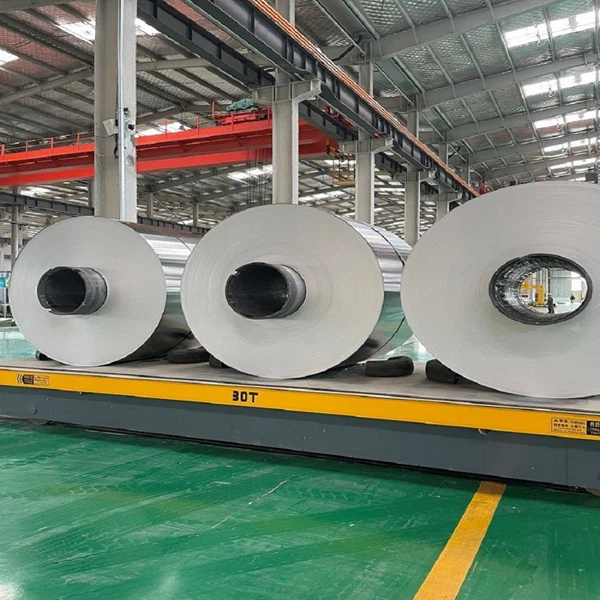
On the other hand, the 6061 Aluminum Coil is an alloy with magnesium and silicon as its primary alloying elements. It offers higher strength and better heat - treatability than 3003. This grade is often used in more demanding applications where the roofing needs to withstand higher loads or harsher environmental conditions. However, the added strength and performance come at a cost, and 6061 coils are generally more expensive than 3003 coils.
Factors Affecting the Price
1. Alloying Elements
The type and amount of alloying elements in an aluminum coil play a significant role in determining its price. As mentioned earlier, 6061 contains magnesium and silicon, which are more expensive to source and process compared to the manganese in 3003. The production process for alloys with more complex compositions is also more involved, which adds to the overall cost.
2. Production Process
The way the aluminum coil is manufactured can also impact its price. For example, some coils may undergo additional processing steps such as heat treatment to enhance their properties. Heat - treating 6061 to achieve its high - strength characteristics requires precise control of temperature and time, which increases the production cost. In contrast, 3003 can often be produced with a simpler manufacturing process, resulting in a lower price.
3. Market Demand
Like any other commodity, the price of aluminum roofing coils is also influenced by market demand. If there's a high demand for a particular grade of aluminum, say 6061 for a large - scale commercial roofing project, the price is likely to go up. On the flip side, if the demand for a certain grade is low, suppliers may offer discounts to move the inventory.
4. Thickness and Width
The thickness and width of the aluminum coil also affect its price. Thicker coils require more raw material and more energy to produce, so they're generally more expensive. Similarly, wider coils may be more costly due to the increased production complexity.
Price Comparison
Let's take a look at a rough price comparison between 3003 and 6061 aluminum roofing coils. On average, 3003 coils can cost anywhere from $1.50 to $2.50 per square foot, depending on the thickness, width, and market conditions. In contrast, 6061 coils can range from $2.50 to $4.00 per square foot. That's a significant difference, but it's important to remember that you're paying for the added strength and performance.
Now, you might be wondering if there are any other grades or types of aluminum roofing coils that are more budget - friendly. Well, there's the Cutting Aluminum Trim Coil. This type of coil is often used for trim work around windows, doors, and eaves. It's usually thinner and may be made from a less expensive aluminum alloy. The price for cutting aluminum trim coil can be as low as $1.00 to $1.50 per square foot, making it a great option for smaller projects or for adding finishing touches to a roofing job.
Making the Right Choice
When it comes to choosing the right grade of aluminum roofing coil for your project, you need to consider a few things. First, think about the specific requirements of your roof. If you're building a simple residential roof with a standard design, 3003 may be more than sufficient. It's cost - effective and easy to work with. However, if you're dealing with a commercial building or a roof in a harsh environment, the added strength and durability of 6061 may be worth the extra cost.
Also, consider your budget. If you're on a tight budget, you may want to look at options like the cutting aluminum trim coil or stick with 3003. But don't just focus on the price. Remember that a higher - quality coil may save you money in the long run by lasting longer and requiring less maintenance.
Conclusion
In conclusion, the price difference between different grades of aluminum roofing coil is mainly due to factors like alloying elements, production process, market demand, and the physical dimensions of the coil. As a supplier, I'm here to help you make an informed decision based on your project's needs and budget. Whether you're looking for an affordable 3003 coil, a high - performance 6061 coil, or a cost - effective cutting aluminum trim coil, I've got you covered.
If you're interested in purchasing aluminum roofing coils for your next project, I'd love to talk to you. Just reach out, and we can discuss your requirements in detail. I'll provide you with a personalized quote and all the information you need to make the best choice for your roofing needs.
References
- "Aluminum Alloys: Properties and Applications" - A technical guide on aluminum alloys and their uses.
- Industry reports on the aluminum market and pricing trends.