

As a leading supplier of aluminum sheet coils, I often get asked about the polishing process for these versatile products. Polishing aluminum sheet coils is a crucial step that enhances their appearance, durability, and functionality. In this blog post, I'll delve into the intricacies of the aluminum sheet coil polishing process, sharing insights from my years of experience in the industry.
Understanding the Basics of Aluminum Sheet Coils
Before we jump into the polishing process, it's essential to understand what aluminum sheet coils are. Aluminum sheet coils are made from high - quality aluminum alloy that is rolled into thin, continuous sheets. These coils are used in a wide range of industries, including construction, automotive, aerospace, and packaging. The most commonly used aluminum alloys for sheet coils are 3003, which offers excellent corrosion resistance and formability. You can learn more about 3003 Aluminum Coil on our website.
The Importance of Polishing
Polishing aluminum sheet coils serves several important purposes. Firstly, it improves the aesthetic appeal of the coils. A polished surface gives the aluminum a smooth, shiny finish that is visually appealing and can enhance the overall look of the end - product. Secondly, polishing can remove surface imperfections such as scratches, pits, and oxidation, which can affect the performance and durability of the aluminum. Thirdly, a polished surface is easier to clean and maintain, making it suitable for applications where hygiene is important.
Pre - Polishing Preparation
The first step in the polishing process is to prepare the aluminum sheet coils. This involves cleaning the coils to remove any dirt, grease, or debris that may be present on the surface. A mild detergent and water solution can be used for this purpose. After cleaning, the coils are rinsed thoroughly and dried to prevent water spots.
Next, the coils are inspected for any surface defects. Minor scratches can sometimes be buffed out during the polishing process, but more severe defects may require additional repair work. If necessary, the coils can be sanded or ground to smooth out the surface before polishing.
Polishing Methods
There are several methods available for polishing aluminum sheet coils, each with its own advantages and disadvantages.
Mechanical Polishing
Mechanical polishing is one of the most common methods used for polishing aluminum sheet coils. This method involves using abrasive materials such as sandpaper, polishing pads, or buffing wheels to remove the outer layer of the aluminum and create a smooth surface. The process typically starts with a coarse - grit abrasive to remove any deep scratches or surface irregularities, followed by progressively finer - grit abrasives to achieve a high - gloss finish.
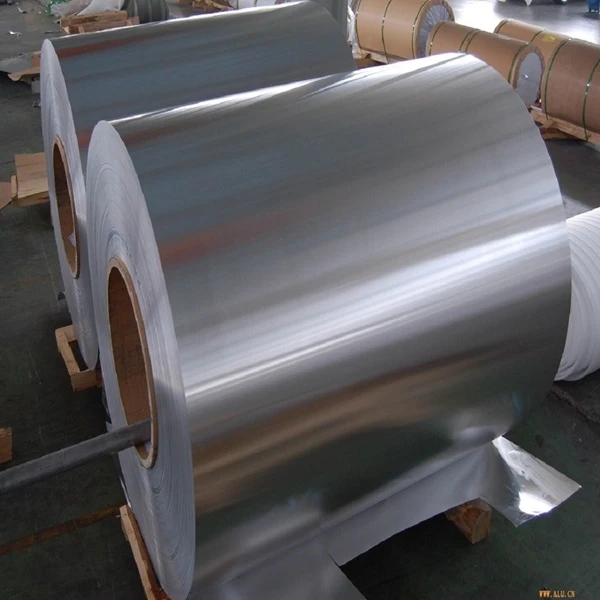

The choice of abrasive material depends on the desired finish and the type of aluminum alloy. For softer aluminum alloys, a finer - grit abrasive may be used to avoid scratching the surface. Mechanical polishing can be done by hand or using automated machinery, depending on the scale of production.
Chemical Polishing
Chemical polishing is another method used for polishing aluminum sheet coils. This process involves immersing the coils in a chemical solution that etches away the outer layer of the aluminum, leaving a smooth and shiny surface. Chemical polishing can achieve a very high - gloss finish and is often used for applications where a mirror - like surface is required.
The chemical solution used in chemical polishing usually contains acids such as phosphoric acid, sulfuric acid, and nitric acid. The exact composition of the solution depends on the type of aluminum alloy and the desired finish. Chemical polishing requires careful control of the process parameters, such as temperature, immersion time, and solution concentration, to ensure consistent results.
Electro - Polishing
Electro - polishing is a more advanced method of polishing aluminum sheet coils. This process uses an electrochemical reaction to remove material from the surface of the aluminum. The coils are immersed in an electrolyte solution and connected to an electrical circuit. When an electric current is applied, metal ions are removed from the surface of the aluminum, resulting in a smooth and shiny finish.
Electro - polishing has several advantages over mechanical and chemical polishing. It can produce a very uniform and high - quality finish, and it can also remove surface contaminants and improve the corrosion resistance of the aluminum. However, electro - polishing is a more complex and expensive process, and it requires specialized equipment and expertise.
Post - Polishing Treatment
After the polishing process is complete, the aluminum sheet coils may undergo post - polishing treatment to further enhance their properties. One common post - polishing treatment is anodizing. Anodizing is an electrochemical process that creates a protective oxide layer on the surface of the aluminum. This layer can improve the corrosion resistance, wear resistance, and durability of the aluminum. You can find more information about Anodized Aluminum Coil on our website.
Another post - polishing treatment is the application of a protective coating. A clear coat or paint can be applied to the polished surface to protect it from scratches, oxidation, and other environmental factors. This can extend the lifespan of the aluminum sheet coils and maintain their appearance over time.
Quality Control
Throughout the polishing process, quality control is essential to ensure that the aluminum sheet coils meet the required standards. This involves inspecting the coils at various stages of the process to check for surface finish, uniformity, and the presence of any defects.
Visual inspection is the most common method of quality control. The coils are examined under good lighting conditions to check for any visible scratches, pits, or unevenness. In addition, surface roughness measurements can be taken using specialized equipment to ensure that the surface meets the specified roughness requirements.
Applications of Polished Aluminum Sheet Coils
Polished aluminum sheet coils have a wide range of applications. In the construction industry, they are used for building facades, roofing, and interior decoration. The shiny finish of polished aluminum can add a modern and elegant touch to buildings. In the automotive industry, polished aluminum sheet coils are used for trim, grilles, and other decorative parts. In the packaging industry, they are used for making cans, containers, and other packaging materials.
Conclusion
The polishing process for aluminum sheet coils is a complex and multi - step process that requires careful preparation, the right choice of polishing method, and strict quality control. As a supplier of Aluminum Sheet Metal Coil, we are committed to providing high - quality polished aluminum sheet coils that meet the diverse needs of our customers.
If you are interested in purchasing polished aluminum sheet coils or have any questions about the polishing process, please feel free to contact us. Our team of experts is ready to assist you with your inquiries and help you find the best solution for your specific requirements.
References
- Aluminum Association. (2023). Aluminum Technology Handbook.
- ASM International. (2022). Metals Handbook – Volume 5: Surface Engineering.
- ISO 9001:2015. Quality Management Systems – Requirements.