

Hey there! As a supplier of rolled aluminum coils, I often get asked about the flatness requirement for these coils. It's a crucial aspect that can significantly impact the performance and usability of the product. So, let's dive into what flatness means for rolled aluminum coils and why it matters.
What is Flatness in Rolled Aluminum Coils?
Flatness in rolled aluminum coils refers to how uniformly the coil lies on a flat surface without any significant waves, bows, or twists. In simple terms, a flat coil is one that doesn't have any noticeable bumps or dips across its width and length. When you unroll an aluminum coil, it should ideally lay flat on the ground without curling up at the edges or forming ridges in the middle.
Why is Flatness Important?
The flatness of a rolled aluminum coil is essential for several reasons. Firstly, it affects the processing and fabrication of the material. If the coil isn't flat, it can cause problems during cutting, stamping, or bending operations. For example, a non - flat coil may not feed smoothly through a cutting machine, leading to inaccurate cuts and wasted material.
Secondly, flatness is crucial for the end - use applications. Many industries, such as construction and automotive, require aluminum coils to have a high degree of flatness. In the construction industry, Aluminum Roofing Coil needs to be flat to ensure proper installation and a watertight seal. Any unevenness in the coil can result in gaps or leaks in the roof, which can lead to significant damage over time.
In the automotive industry, flat aluminum coils are used for manufacturing parts like body panels. A non - flat panel can affect the overall aesthetics of the vehicle and may also cause issues with fitting and alignment.
Measuring Flatness
There are several ways to measure the flatness of a rolled aluminum coil. One common method is to use a straightedge. You place a straightedge on the surface of the unrolled coil and measure the gap between the straightedge and the coil at various points. The smaller the gap, the flatter the coil.
Another method is to use optical measurement systems. These systems use lasers or cameras to scan the surface of the coil and create a 3D map of its shape. This allows for a more accurate and detailed analysis of the flatness, including the detection of small waves or undulations that may not be visible to the naked eye.
Industry Standards for Flatness
The flatness requirements for rolled aluminum coils vary depending on the industry and the specific application. In general, the aluminum industry has established some standards to ensure the quality and consistency of the product.
For example, the American Society for Testing and Materials (ASTM) has defined standards for flatness in aluminum products. These standards specify the maximum allowable deviations in flatness for different thicknesses and widths of aluminum coils. Manufacturers are expected to adhere to these standards to ensure that their products meet the requirements of their customers.
Factors Affecting Flatness
Several factors can affect the flatness of a rolled aluminum coil during the manufacturing process. One of the main factors is the rolling process itself. If the rolls are not properly aligned or if there is uneven pressure during rolling, it can result in a non - flat coil.
The temperature during the rolling process also plays a role. If the aluminum is rolled at too high or too low a temperature, it can cause internal stresses in the material, which can lead to warping or distortion after the coil is unrolled.
The thickness and width of the coil can also impact flatness. Thicker coils are generally more difficult to keep flat than thinner ones, and wider coils may be more prone to bowing or waving.
Our Commitment to Flatness
As a supplier of rolled aluminum coils, we understand the importance of flatness. We have a state - of - the - art manufacturing facility equipped with the latest technology to ensure that our coils meet the highest standards of flatness.
We use advanced rolling mills that are precisely calibrated to apply uniform pressure across the width of the coil. Our quality control team conducts regular inspections using the latest measurement techniques to ensure that every coil leaving our facility meets or exceeds the industry standards.

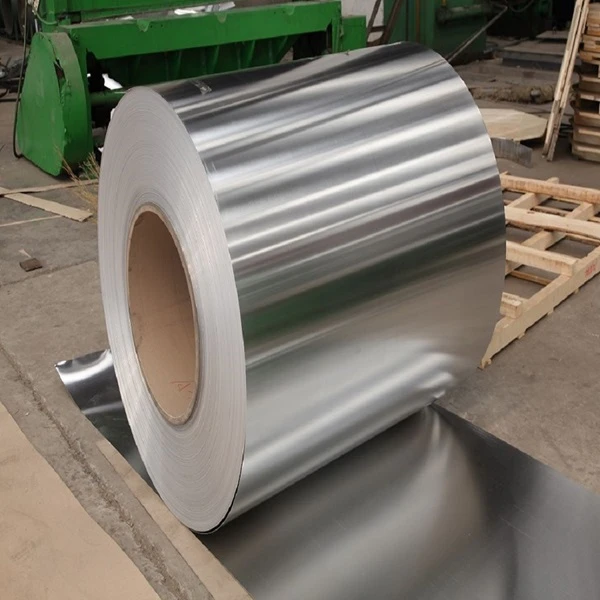
We offer a wide range of rolled aluminum coils, including 5052 Aluminum Coil and 1050 Aluminum Coil, all of which are known for their excellent flatness. Whether you need aluminum coils for roofing, automotive, or other applications, we can provide you with a product that meets your specific flatness requirements.
Working with Us
If you're in the market for high - quality rolled aluminum coils with excellent flatness, we'd love to hear from you. We have a team of experts who can help you choose the right coil for your application and answer any questions you may have about flatness or other product specifications.
Contact us today to start a conversation about your aluminum coil needs. We're committed to providing you with the best products and services at competitive prices.
References
- American Society for Testing and Materials (ASTM) standards for aluminum products.
- Industry research on the impact of flatness on aluminum coil processing and end - use applications.