

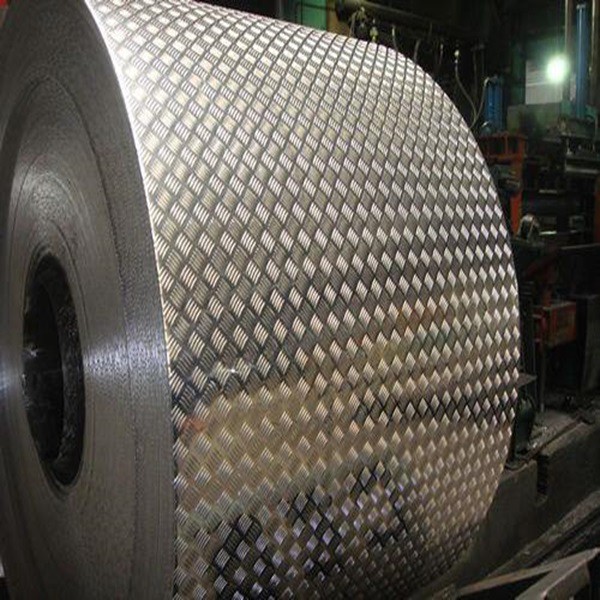
When it comes to selecting materials for flooring, walkways, ramps, and other anti - slip applications, aluminum tread coil and steel tread plate are two popular choices. As an aluminum tread coil supplier, I have in - depth knowledge of these materials and can offer valuable insights into their differences. This blog will explore various aspects such as composition, physical properties, corrosion resistance, cost, and applications to help you make an informed decision.
Composition
Aluminum tread coil is primarily made of aluminum alloy. Aluminum is a lightweight, non - ferrous metal. Different alloying elements like magnesium, manganese, silicon, and copper are added to enhance specific properties such as strength, corrosion resistance, and formability. For example, 3003 aluminum alloy, which contains manganese, is commonly used in tread coils for its good corrosion resistance and moderate strength.
On the other hand, steel tread plate is made of steel, which is an alloy of iron and carbon. Depending on the requirements, other elements such as chromium, nickel, and molybdenum may be added. For instance, stainless steel tread plates contain chromium, which forms a passive oxide layer on the surface, providing excellent corrosion resistance.
Physical Properties
Weight
One of the most significant differences between aluminum tread coil and steel tread plate is their weight. Aluminum is much lighter than steel. The density of aluminum is approximately 2.7 g/cm³, while the density of steel ranges from about 7.75 to 8.05 g/cm³. This makes aluminum tread coil an ideal choice for applications where weight is a critical factor, such as in the aerospace and automotive industries. For example, using aluminum tread coil in an aircraft's flooring can reduce the overall weight of the aircraft, leading to lower fuel consumption.
Strength
Steel generally has higher strength than aluminum. Steel tread plates can withstand greater loads and stresses. High - strength steel grades can be used in heavy - duty applications like industrial flooring in factories with heavy machinery traffic. However, modern aluminum alloys have been developed to have relatively high strength - to - weight ratios. Some high - strength aluminum alloys can provide sufficient strength for many applications, especially when weight reduction is a priority.
Formability
Aluminum tread coil has excellent formability. It can be easily bent, rolled, and formed into various shapes without cracking. This makes it suitable for custom - fabricated products. For example, it can be formed into curved ramps or irregularly shaped walkways. Steel tread plates, while they can be formed, are more difficult to shape due to their higher strength and stiffness. Extreme forming may require specialized equipment and techniques.
Corrosion Resistance
Aluminum has a natural oxide layer on its surface that provides a certain degree of corrosion resistance. When exposed to air, aluminum quickly forms a thin, transparent oxide layer that protects the underlying metal from further oxidation. In addition, aluminum tread coils can be anodized to enhance their corrosion resistance. Anodizing creates a thicker and more durable oxide layer on the surface. This makes aluminum tread coils suitable for outdoor applications, such as in marine environments.
Steel, especially carbon steel, is prone to rusting when exposed to moisture and oxygen. However, stainless steel tread plates offer excellent corrosion resistance due to the presence of chromium. The chromium in stainless steel forms a passive oxide layer that prevents the metal from corroding. But stainless steel is more expensive than carbon steel, and carbon steel tread plates often need to be coated or painted to protect them from corrosion.
Cost
The cost of aluminum tread coil and steel tread plate can vary depending on several factors. Generally, aluminum is more expensive per unit weight than steel. However, due to its lower density, less aluminum is required for a given application, which can offset the higher price per weight. The cost of steel also varies depending on the grade. Stainless steel is significantly more expensive than carbon steel. Additionally, the cost of surface treatments such as anodizing for aluminum or painting for steel should be considered. For small - scale projects, the cost difference may not be a major concern, but for large - scale industrial projects, cost can be a deciding factor.
Applications
Aluminum Tread Coil
- Transportation Industry: As mentioned earlier, its lightweight property makes it suitable for use in aircraft, trains, and automobiles. In the automotive industry, it can be used for truck beds, running boards, and interior flooring.
- Marine Industry: Its corrosion resistance makes it ideal for use on boats and ships. It can be used for decks, gangways, and stair treads.
- Architectural Applications: Aluminum tread coil can be used for building facades, interior flooring, and decorative elements. Its formability allows for creative and unique designs. You can check out Checkered Aluminum Coil, Diamond Aluminum Coil, and Tread Aluminum Coil for more options.
Steel Tread Plate
- Industrial Settings: Steel tread plates are commonly used in factories, warehouses, and industrial plants. They can withstand heavy loads and traffic from forklifts and other machinery.
- Construction Sites: They are used for temporary walkways, scaffolding platforms, and construction ramps due to their high strength.
- Mining Industry: Steel tread plates are used in mines for flooring, stairways, and conveyor walkways, where they need to withstand harsh conditions and heavy equipment.
Maintenance
Aluminum tread coil generally requires less maintenance compared to steel tread plate. The natural oxide layer on aluminum provides some protection, and anodized aluminum is even more resistant to wear and corrosion. Regular cleaning with mild soap and water is usually sufficient to keep it looking good.
Steel tread plates, especially carbon steel, need more attention. If the protective coating is damaged, the steel can start to rust. Regular inspections and touch - up painting are often required to prevent corrosion. Stainless steel requires less maintenance but may need to be cleaned regularly to maintain its appearance.
Conclusion
In conclusion, both aluminum tread coil and steel tread plate have their own unique advantages and disadvantages. The choice between them depends on various factors such as weight requirements, strength needs, corrosion resistance, cost, and application. As an aluminum tread coil supplier, I believe that aluminum tread coil offers many benefits, especially in applications where weight reduction and corrosion resistance are important.
If you are considering using aluminum tread coil for your project, I encourage you to contact me for more information. We can discuss your specific requirements and help you select the most suitable aluminum tread coil product. Whether you need a small quantity for a DIY project or a large - scale supply for an industrial project, I am here to assist you. Let's start a conversation about your procurement needs and find the best solution together.

References
- ASM Handbook Committee. (2000). ASM Handbook, Volume 2: Properties and Selection: Nonferrous Alloys and Special - Purpose Materials. ASM International.
- Degarmo, E. P., Black, J. T., & Kohser, R. A. (2003). Materials and Processes in Manufacturing. Wiley.
- Metals Handbook Committee. (1990). Metals Handbook: Properties and Selection: Irons and Steels. ASM International.