

When it comes to constructing or renovating a building, the choice of roofing material plays a crucial role in determining the overall durability, aesthetics, and functionality of the structure. Aluminium roof coil has emerged as a popular choice among architects, contractors, and building owners due to its numerous advantages, such as lightweight, corrosion resistance, and ease of installation. As a leading supplier of aluminium roof coil, I have witnessed firsthand the growing demand for this versatile material and the importance of understanding its connection methods. In this blog post, I will delve into the various connection methods of aluminium roof coil, providing you with valuable insights to help you make informed decisions for your roofing projects.
Understanding Aluminium Roof Coil
Before we explore the connection methods, let's first understand what aluminium roof coil is. Aluminium roof coil is a pre - fabricated roofing material made from high - quality aluminium alloy. It is available in various thicknesses, widths, and finishes, allowing for customization to meet different architectural requirements. The coil is typically produced through a rolling process, which ensures uniformity in thickness and smoothness of the surface.
One of the key benefits of aluminium roof coil is its corrosion resistance. Aluminium naturally forms a protective oxide layer on its surface, which prevents rust and other forms of corrosion, even in harsh environmental conditions. This makes it an ideal choice for roofing applications in coastal areas or industrial settings where exposure to moisture and chemicals is common.
In addition to its corrosion resistance, aluminium roof coil is also lightweight, which reduces the load on the building structure. This can lead to cost savings in terms of foundation design and construction. Moreover, aluminium is a highly recyclable material, making it an environmentally friendly option for sustainable building projects.
Connection Methods of Aluminium Roof Coil
1. Mechanical Fastening
Mechanical fastening is one of the most common methods of connecting aluminium roof coil. This method involves using screws, nails, or clips to secure the coil to the underlying structure, such as purlins or battens.
- Screws: Screws are a popular choice for mechanical fastening as they provide a strong and reliable connection. They come in various sizes and types, including self - drilling screws and self - tapping screws. Self - drilling screws are particularly useful as they can penetrate both the aluminium coil and the underlying structure without the need for pre - drilling. When using screws, it is important to ensure that they are properly tightened to prevent loosening over time.
- Nails: Nails can also be used to fasten aluminium roof coil, although they are generally less common than screws. Nails are typically used in conjunction with a washer to prevent the nail from pulling through the aluminium. However, nails may not provide as strong a connection as screws, especially in high - wind areas.
- Clips: Clips are another option for mechanical fastening. They are designed to hold the aluminium coil in place without penetrating the material. Clips are often used in standing seam roofing systems, where the coil is formed into vertical seams that are connected using clips. This type of connection allows for thermal expansion and contraction of the aluminium without causing damage to the roofing system.
2. Adhesive Bonding
Adhesive bonding is a method of connecting aluminium roof coil using an adhesive. This method offers several advantages, such as a seamless appearance and improved waterproofing.
- Types of Adhesives: There are various types of adhesives available for bonding aluminium roof coil, including epoxy adhesives, polyurethane adhesives, and acrylic adhesives. Epoxy adhesives are known for their high strength and durability, making them suitable for heavy - duty applications. Polyurethane adhesives offer good flexibility and weather resistance, while acrylic adhesives are easy to apply and have a fast curing time.
- Application Process: When using adhesive bonding, the surface of the aluminium coil and the underlying structure must be clean and dry to ensure proper adhesion. The adhesive is typically applied to one or both surfaces using a brush, roller, or spray gun. The two surfaces are then pressed together firmly and held in place until the adhesive cures. It is important to follow the manufacturer's instructions regarding the application and curing time of the adhesive.
3. Welding
Welding is a more permanent and strong connection method for aluminium roof coil. It involves melting the edges of the aluminium coil and fusing them together to form a continuous joint.
- Types of Welding: There are several types of welding processes that can be used for aluminium, including TIG (Tungsten Inert Gas) welding and MIG (Metal Inert Gas) welding. TIG welding is a precise and clean welding process that is suitable for thin - gauge aluminium. MIG welding, on the other hand, is faster and can be used for thicker aluminium coils.
- Advantages and Disadvantages: Welding provides a strong and watertight connection, making it ideal for applications where a high level of durability and weather resistance is required. However, welding requires specialized equipment and skilled labor, which can increase the cost of installation. In addition, welding can cause distortion of the aluminium coil if not done properly.
Factors to Consider When Choosing a Connection Method
When choosing a connection method for aluminium roof coil, several factors should be taken into consideration:
- Environmental Conditions: The environmental conditions in which the roofing system will be installed play a significant role in determining the appropriate connection method. For example, in areas with high winds, mechanical fastening or welding may be more suitable as they provide a stronger connection. In areas with high humidity or exposure to chemicals, adhesive bonding or a corrosion - resistant mechanical fastening system may be preferred.
- Roof Design: The design of the roof, including its slope, shape, and size, can also influence the choice of connection method. For example, standing seam roofing systems are typically connected using clips, while flat roofs may be more suitable for mechanical fastening or adhesive bonding.
- Cost: Cost is always an important consideration in any construction project. Mechanical fastening is generally the most cost - effective option, as it requires less specialized equipment and labor. Adhesive bonding and welding can be more expensive due to the cost of materials and the need for skilled labor.
Conclusion
As a supplier of aluminium roof coil, I understand the importance of choosing the right connection method for your roofing project. Each connection method has its own advantages and disadvantages, and the choice depends on various factors such as environmental conditions, roof design, and cost.
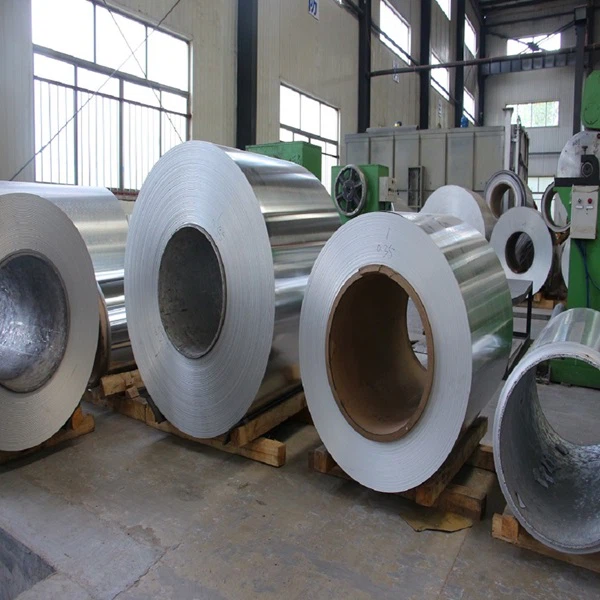

Whether you are looking for a strong and reliable connection with mechanical fastening, a seamless appearance with adhesive bonding, or a permanent and watertight joint with welding, there is a solution that can meet your needs. Our company offers a wide range of Anodized Aluminum Coil, Aluminum Sheet Metal Coil, and 3003 Aluminum Coil to suit different applications.
If you are interested in learning more about our aluminium roof coil products or need assistance in choosing the right connection method for your project, please feel free to contact us. Our team of experts is ready to provide you with professional advice and support to ensure the success of your roofing project.
References
- ASCE 7 - 16, Minimum Design Loads and Associated Criteria for Buildings and Other Structures.
- ASTM B209, Standard Specification for Aluminum and Aluminum - Alloy Sheet and Plate.
- The Aluminum Association, Aluminum Design Manual.