

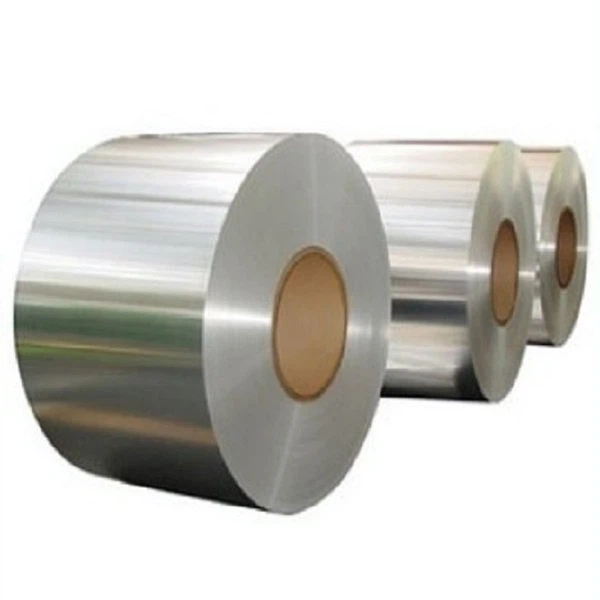
As a seasoned supplier of aluminum sheet coils, I've witnessed firsthand the remarkable versatility and compatibility of these products with a wide array of materials. In this blog post, I'll delve into the intricacies of aluminum sheet coil compatibility, exploring how it interacts with different substances and the benefits it brings to various applications.

Compatibility with Metals
One of the most common scenarios where aluminum sheet coils are used is in combination with other metals. Aluminum's natural corrosion resistance makes it an ideal partner for metals that are prone to rust and degradation. For instance, when paired with steel, aluminum can act as a sacrificial anode, protecting the steel from corrosion. This is particularly useful in applications such as automotive manufacturing, where aluminum sheet coils are often used in conjunction with steel components to enhance the overall durability of the vehicle.
Another metal that pairs well with aluminum is copper. The combination of these two metals can create a synergistic effect, resulting in improved electrical conductivity and thermal performance. In electrical applications, such as wiring and circuit boards, aluminum-copper alloys are commonly used to achieve a balance between cost and performance. The Rolled Aluminum Coil we supply is often used in these types of applications, thanks to its high purity and excellent formability.
Compatibility with Plastics
Aluminum sheet coils also exhibit excellent compatibility with plastics. When bonded to plastic materials, aluminum can provide additional strength, stiffness, and heat resistance. This combination is widely used in the packaging industry, where aluminum-plastic laminates are used to create flexible packaging solutions for food, beverages, and pharmaceuticals. The 3003 Aluminum Coil is a popular choice for these applications due to its good formability and corrosion resistance.
In addition to packaging, aluminum-plastic composites are also used in the construction industry for applications such as wall cladding and roofing. The combination of aluminum's durability and the aesthetic appeal of plastic can create a visually striking and long-lasting building envelope. Our Aluminum Roofing Coil is often used in these types of projects, providing a lightweight and corrosion-resistant solution that can withstand the elements.
Compatibility with Wood
Aluminum sheet coils can also be used in combination with wood to create unique and functional products. When used as a cladding material, aluminum can protect the wood from moisture, UV radiation, and insect damage, extending its lifespan and enhancing its appearance. This combination is commonly used in outdoor furniture, decking, and siding applications.
In addition to protection, aluminum can also add a modern and industrial aesthetic to wood products. The contrast between the smooth, metallic surface of aluminum and the natural texture of wood can create a visually appealing and contemporary look. Our aluminum sheet coils can be customized to meet the specific design requirements of our customers, allowing for endless possibilities in wood-aluminum combinations.
Compatibility with Glass
The compatibility of aluminum sheet coils with glass is another area where these products shine. In the construction industry, aluminum is commonly used as a framing material for windows and doors. The combination of aluminum's strength and the transparency of glass can create a sleek and modern look while providing excellent insulation and energy efficiency.
Aluminum can also be used in combination with glass to create decorative elements such as partitions and facades. The reflective properties of aluminum can enhance the visual impact of glass, creating a dynamic and eye-catching effect. Our aluminum sheet coils can be anodized or coated to achieve different colors and finishes, allowing for customization to match the design aesthetic of any project.
Benefits of Compatibility
The compatibility of aluminum sheet coils with other materials offers several benefits. Firstly, it allows for the creation of hybrid materials that combine the best properties of each component. This can result in products that are stronger, more durable, and more functional than those made from a single material.
Secondly, the use of aluminum sheet coils in combination with other materials can lead to cost savings. By using a less expensive material in conjunction with aluminum, manufacturers can achieve the desired performance at a lower cost. For example, using aluminum-plastic composites in packaging can reduce the amount of expensive aluminum required while still providing the necessary barrier properties.
Finally, the compatibility of aluminum sheet coils with other materials can open up new design possibilities. The ability to combine different materials allows designers to create products that are not only functional but also aesthetically pleasing. This can give manufacturers a competitive edge in the market by offering unique and innovative products.
Conclusion
In conclusion, the compatibility of aluminum sheet coils with other materials is a key factor in their widespread use across various industries. Whether it's in combination with metals, plastics, wood, or glass, aluminum can enhance the performance, durability, and aesthetic appeal of other materials. As a supplier of high-quality aluminum sheet coils, we are committed to providing our customers with products that offer excellent compatibility and performance.
If you're interested in learning more about our aluminum sheet coils or exploring how they can be used in combination with other materials for your specific application, please don't hesitate to contact us. We'd be happy to discuss your requirements and provide you with a customized solution.
References
- ASM Handbook, Volume 2: Properties and Selection: Nonferrous Alloys and Special-Purpose Materials. ASM International.
- Aluminum Association. Aluminum Design Manual.
- Modern Plastics Encyclopedia. McGraw-Hill.