

Is Tread Aluminum Coil Resistant to Oxidation?
As a supplier of tread aluminum coil, I often get asked about the oxidation resistance of our products. Oxidation is a natural process that occurs when a metal reacts with oxygen in the air, forming an oxide layer on its surface. This can lead to corrosion, rust, and a decrease in the metal's strength and durability. So, is tread aluminum coil resistant to oxidation? Let's take a closer look.
Understanding Aluminum Oxidation
Aluminum is a highly reactive metal, and when it is exposed to air, it immediately begins to form a thin layer of aluminum oxide on its surface. This oxide layer is very stable and adheres tightly to the aluminum, acting as a protective barrier that prevents further oxidation. In fact, this natural oxide layer is one of the reasons why aluminum is so widely used in various industries.
The thickness and quality of the oxide layer can vary depending on several factors, such as the composition of the aluminum alloy, the surface finish, and the environmental conditions. Generally, pure aluminum forms a thinner oxide layer compared to aluminum alloys, which may contain other elements that can enhance the oxidation resistance.
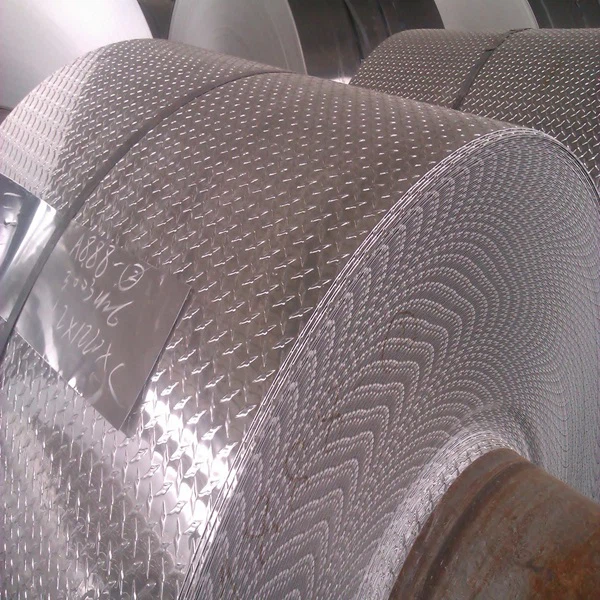

Oxidation Resistance of Tread Aluminum Coil
Tread aluminum coil is made from aluminum alloy, which typically contains small amounts of other elements such as manganese, magnesium, and silicon. These alloying elements can improve the mechanical properties of the aluminum, as well as its oxidation resistance.
The unique tread pattern on the surface of the coil also plays a role in its oxidation resistance. The tread pattern increases the surface area of the aluminum, which allows for a more uniform formation of the oxide layer. This helps to protect the underlying metal from further oxidation.
In addition, many tread aluminum coils are treated with a protective coating or finish to enhance their oxidation resistance. These coatings can include anodizing, painting, or powder coating, which provide an additional layer of protection against the elements.
Factors Affecting Oxidation Resistance
While tread aluminum coil is generally resistant to oxidation, there are several factors that can affect its performance over time. These factors include:
- Environmental Conditions: Exposure to harsh environmental conditions, such as high humidity, saltwater, or industrial pollutants, can accelerate the oxidation process. In coastal areas or industrial settings, the oxidation rate of tread aluminum coil may be higher compared to areas with a more moderate climate.
- Surface Finish: The surface finish of the tread aluminum coil can also affect its oxidation resistance. A smooth, polished surface is less likely to trap moisture and contaminants, which can reduce the risk of oxidation. On the other hand, a rough or textured surface may provide more sites for oxidation to occur.
- Alloy Composition: The composition of the aluminum alloy used in the tread coil can have a significant impact on its oxidation resistance. Different alloying elements can have different effects on the formation and stability of the oxide layer. For example, magnesium can improve the corrosion resistance of aluminum, while copper can increase its susceptibility to oxidation.
Testing and Certification
To ensure the oxidation resistance of our tread aluminum coil, we conduct rigorous testing and quality control measures. Our products are tested in accordance with international standards and specifications to ensure that they meet the highest levels of performance and durability.
We also offer certification for our products, which provides our customers with the assurance that our tread aluminum coil meets the required quality and performance standards. This certification can be particularly important for applications where oxidation resistance is critical, such as in the automotive, aerospace, and marine industries.
Applications of Tread Aluminum Coil
Tread aluminum coil is a versatile material that is used in a wide range of applications. Some of the common applications of tread aluminum coil include:
- Transportation: Tread aluminum coil is commonly used in the transportation industry for applications such as truck beds, trailer floors, and bus steps. Its high strength, durability, and oxidation resistance make it an ideal choice for these applications, where the material is exposed to harsh environmental conditions and heavy use.
- Building and Construction: In the building and construction industry, tread aluminum coil is used for applications such as stair treads, ramps, and walkways. Its non-slip surface provides added safety for pedestrians, while its oxidation resistance ensures long-term performance in outdoor environments.
- Industrial Equipment: Tread aluminum coil is also used in various industrial equipment, such as machinery guards, platforms, and catwalks. Its corrosion resistance and high strength make it suitable for use in harsh industrial environments, where the material may be exposed to chemicals, moisture, and abrasion.
Conclusion
In conclusion, tread aluminum coil is generally resistant to oxidation due to the natural oxide layer that forms on its surface, as well as the alloying elements and protective coatings used in its production. However, the oxidation resistance of the coil can be affected by various factors, such as environmental conditions, surface finish, and alloy composition.
As a supplier of tread aluminum coil, we are committed to providing our customers with high-quality products that meet their specific requirements. Our tread aluminum coil is tested and certified to ensure its oxidation resistance and performance, and we offer a range of protective coatings and finishes to enhance its durability.
If you are interested in purchasing tread aluminum coil for your next project, please visit our website Aluminum Tread Coil to learn more about our products and services. You can also explore our Diamond Aluminum Coil and Tread Aluminum Coil options.
We welcome you to contact us for further information and to discuss your specific needs. Our team of experts is ready to assist you in finding the right tread aluminum coil solution for your project.
References
- ASM Handbook, Volume 2: Properties and Selection: Nonferrous Alloys and Special-Purpose Materials, ASM International, 1990.
- Aluminum Association, Aluminum Design Manual, 2015.
- ASTM International, Standard Specification for Aluminum and Aluminum-Alloy Sheet and Plate, ASTM B209/B209M-18.