

As a supplier of tread aluminum coil, one question I often get asked is whether tread aluminum coil is fire-resistant. This is a crucial inquiry, especially for industries where fire safety is a top priority. In this blog, I'll delve into the properties of tread aluminum coil and its fire-resistant characteristics based on scientific facts and industry knowledge.
Understanding Tread Aluminum Coil
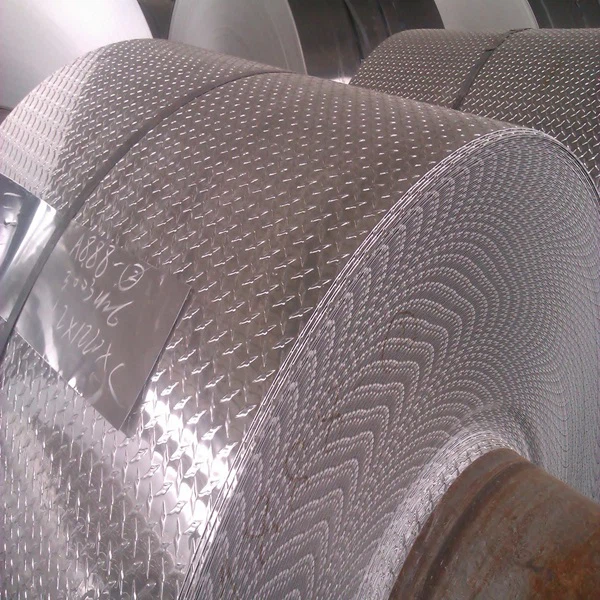
Tread aluminum coil, also known as Tread Aluminum Coil, is a type of aluminum coil with a raised pattern on its surface. This pattern can come in various designs, such as diamond or other geometric shapes, which not only enhance its aesthetic appeal but also provide better traction. It is widely used in different applications, including transportation, construction, and industrial settings.
The production of tread aluminum coil involves rolling aluminum alloy sheets to form a coil, and then embossing the desired pattern on the surface. The choice of aluminum alloy can vary depending on the specific requirements of the application, such as strength, corrosion resistance, and formability.
Fire-Resistant Properties of Aluminum
Aluminum itself has some inherent properties that contribute to its performance in fire situations. One of the key characteristics of aluminum is its high thermal conductivity. When exposed to heat, aluminum can quickly conduct and dissipate the heat, which helps to prevent the rapid rise of temperature in a localized area.
In addition, when aluminum is heated, it forms a thin layer of aluminum oxide on its surface. This oxide layer acts as a protective barrier, which can slow down the further oxidation and melting of the aluminum. However, it's important to note that aluminum has a relatively low melting point compared to some other metals, around 660°C (1220°F).
Fire Resistance of Tread Aluminum Coil
The fire resistance of tread aluminum coil is influenced by several factors. Firstly, the composition of the aluminum alloy used in the coil plays a significant role. Different alloying elements can affect the melting point, oxidation behavior, and mechanical properties of the aluminum under fire conditions.
For example, some aluminum alloys with higher magnesium or silicon content may have better fire-resistant properties. Magnesium can enhance the strength and oxidation resistance of the aluminum, while silicon can improve the fluidity and castability during the manufacturing process.
Secondly, the thickness of the tread aluminum coil also matters. Thicker coils generally have better fire resistance because they can withstand more heat before reaching their melting point. A thicker layer of aluminum also provides more material for the formation of the protective oxide layer.
However, it's important to clarify that tread aluminum coil is not completely fireproof. In a severe fire with extremely high temperatures and long exposure times, the aluminum coil will eventually melt. But in many practical applications, the fire-resistant properties of tread aluminum coil can provide valuable time for evacuation and fire suppression.
Applications and Fire Safety Considerations
In the transportation industry, tread aluminum coil is commonly used in the flooring of buses, trains, and trucks. The traction provided by the pattern helps to prevent slips and falls, while the fire-resistant properties of the aluminum can contribute to the overall safety of the vehicle. In case of a fire, the aluminum flooring can slow down the spread of fire and reduce the risk of structural collapse.
In the construction industry, tread aluminum coil can be used for stair treads, ramps, and walkways. Fire safety codes and regulations often require the use of fire-resistant materials in these areas to ensure the safety of building occupants. Tread aluminum coil can meet these requirements to a certain extent, especially when used in combination with other fire protection measures.

In industrial settings, such as factories and warehouses, tread aluminum coil can be used for platforms and mezzanines. The fire resistance of the coil can help to protect the equipment and personnel in case of a fire outbreak.
Comparing with Other Fire-Resistant Materials
When considering fire-resistant materials, it's common to compare tread aluminum coil with other options such as steel and concrete. Steel has a much higher melting point than aluminum, around 1500°C (2732°F). However, steel can lose its strength rapidly when heated, which can lead to structural failure.
Concrete, on the other hand, is well-known for its excellent fire resistance. It can withstand high temperatures for long periods without significant damage. But concrete is heavy and may not be suitable for applications where weight is a concern.
Tread aluminum coil offers a balance between fire resistance, weight, and cost. It is lighter than steel and concrete, which makes it easier to handle and install. At the same time, its fire-resistant properties can meet the requirements of many applications.
Conclusion
In conclusion, tread aluminum coil has certain fire-resistant properties due to the inherent characteristics of aluminum and the influence of alloy composition and thickness. While it's not completely fireproof, it can provide valuable fire protection in many practical applications.
If you're interested in learning more about the fire-resistant properties of our Tread Aluminum Coil or exploring other related products such as Checkered Aluminum Coil and Diamond Aluminum Coil, please feel free to contact us for further discussion and procurement. We're committed to providing high-quality products and professional services to meet your specific needs.
References
- "Aluminum Alloys: Structure and Properties" by G. E. Totten and D. S. MacKenzie
- "Fire Resistance of Building Materials and Structures" by John L. Hayes