

As a trusted supplier of coil aluminum rolls, I understand the critical importance of transporting these products safely. Coil aluminum rolls are widely used in various industries, such as construction, automotive, and packaging, due to their excellent properties like lightweight, corrosion resistance, and high ductility. However, their transportation can be a challenging task as any damage during transit can lead to significant losses for both the supplier and the customer. In this blog, I will share some key strategies and best practices on how to transport coil aluminum rolls safely.
Pre - transport Preparations
Before loading the coil aluminum rolls onto the transport vehicle, thorough preparations are essential.
Inspection
First and foremost, conduct a comprehensive inspection of the aluminum rolls. Check for any visible defects, such as scratches, dents, or irregularities on the surface of the coils. This inspection helps to ensure that the product is in good condition before transportation and also provides a baseline in case any damage occurs during transit. For example, if a scratch is detected during the pre - transport inspection, it can be documented, and the customer can be informed to avoid any disputes later.
Packaging
Proper packaging is crucial for protecting the coil aluminum rolls during transportation. We typically use high - quality packaging materials to safeguard the coils. For instance, wrapping the aluminum rolls with a layer of protective plastic film can prevent moisture and dust from coming into contact with the surface of the coils, reducing the risk of corrosion. Additionally, placing wooden or plastic spacers between the coils can prevent them from rubbing against each other, which could cause scratches or deformations.
When packaging, pay attention to the type of aluminum coil. For 1050 Aluminum Coil, which is known for its high purity and excellent formability, extra care should be taken. The packaging should be designed to maintain its integrity and prevent any external factors from affecting its quality.
Loading and Securing
The way the coil aluminum rolls are loaded and secured on the transport vehicle can significantly impact their safety during transit.
Loading
Use appropriate loading equipment, such as forklifts or cranes, to handle the aluminum rolls. Ensure that the equipment is in good working condition and operated by trained personnel. When loading the coils, stack them in a stable and balanced manner. Avoid over - stacking, as this can increase the risk of the coils toppling over during transportation.
For Aluminum Sheet Metal Coil, which may have different thicknesses and widths, proper loading arrangements should be made. Thicker coils should be placed at the bottom to provide a stable base, while thinner coils can be stacked on top in an orderly fashion.
Securing
Once the coils are loaded, they must be properly secured to prevent movement during transit. Straps or chains can be used to fasten the coils to the transport vehicle. Make sure the straps or chains are tightened securely but not too tightly to avoid damaging the coils. Additionally, use blocking and bracing materials to fill any gaps between the coils and the vehicle walls, further stabilizing the load.
Choosing the Right Transport Vehicle
Selecting an appropriate transport vehicle is another important factor in ensuring the safe transportation of coil aluminum rolls.
Vehicle Type
Depending on the quantity and size of the aluminum rolls, choose a suitable vehicle. For smaller orders, a truck with a flatbed or a closed - body trailer may be sufficient. However, for larger shipments, a specialized coil transport trailer may be required. These trailers are designed with features such as coil cradles and tie - down points to accommodate and secure the aluminum rolls more effectively.
Vehicle Condition
Before loading the coils, inspect the transport vehicle to ensure it is in good condition. Check the tires, brakes, and suspension system to ensure a smooth and safe journey. A well - maintained vehicle reduces the risk of sudden stops or vibrations that could cause damage to the aluminum rolls.
Route Planning
Careful route planning can minimize the risks associated with transporting coil aluminum rolls.
Road Conditions
Choose routes with good road conditions as much as possible. Avoid roads with potholes, rough surfaces, or frequent speed bumps, as these can cause excessive vibrations and shocks to the vehicle and the aluminum rolls. Additionally, consider the traffic conditions on the route. Heavy traffic can lead to frequent stops and starts, which may also affect the stability of the load.
Weather Conditions
Monitor the weather forecast before transporting the aluminum rolls. Extreme weather conditions, such as heavy rain, snow, or strong winds, can pose risks to the coils. If adverse weather is expected, it may be necessary to delay the transportation or take additional protective measures, such as covering the coils with waterproof tarps.
Monitoring During Transit
Continuous monitoring during transit can help detect and address any potential issues in a timely manner.
Real - time Tracking
Use GPS tracking systems to monitor the location and movement of the transport vehicle. This allows you to keep an eye on the progress of the shipment and ensure that the vehicle is following the planned route. If there are any deviations or unexpected stops, you can contact the driver to investigate.
Temperature and Humidity Monitoring
For some types of Aluminum Alloy Coil, temperature and humidity can affect their properties. Install sensors in the transport vehicle to monitor these environmental factors. If the temperature or humidity levels exceed the acceptable range, appropriate measures can be taken, such as adjusting the ventilation or using dehumidifiers.
Unloading and Final Inspection
Once the coil aluminum rolls reach their destination, proper unloading and final inspection procedures should be followed.
Unloading
Use the same appropriate equipment and trained personnel for unloading as for loading. Unload the coils carefully to avoid any sudden impacts or drops. Place the unloaded coils in a designated storage area in an organized manner.
Final Inspection
Conduct a final inspection of the aluminum rolls upon arrival at the destination. Compare the condition of the coils with the pre - transport inspection records. If any damage is found, document it immediately and notify the relevant parties, such as the supplier and the insurance company if applicable.

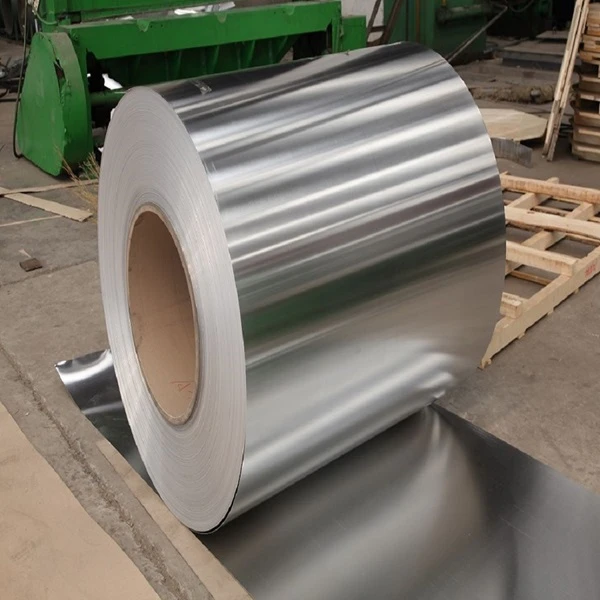
In conclusion, transporting coil aluminum rolls safely requires a comprehensive approach that includes pre - transport preparations, proper loading and securing, choosing the right transport vehicle, route planning, monitoring during transit, and careful unloading and inspection. By following these best practices, we can ensure that our customers receive high - quality coil aluminum rolls in good condition.
If you are interested in purchasing our coil aluminum rolls or have any questions about their transportation and handling, feel free to contact us for further discussions. We are committed to providing you with the best products and services.
References
- "Transportation Guidelines for Metal Coils", Industry Standards Publication
- "Best Practices in Aluminum Coil Packaging and Shipping", Aluminum Association Research Report