

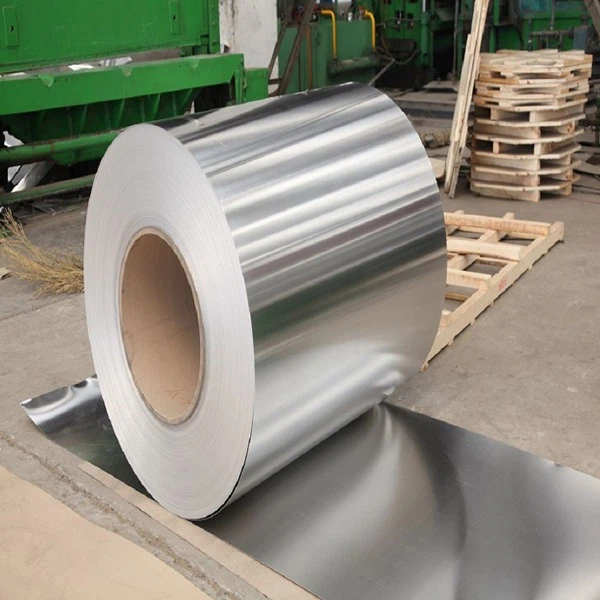
As a supplier of aluminum coil rolls, I've encountered numerous customers with questions about how to straighten these coils. Aluminum coil rolls are widely used in various industries, including construction for Aluminum Gutter Coil and Aluminum Roofing Coil, and manufacturing for different applications. Straightening an aluminum coil roll is a crucial step before using it in these applications, as a straight and flat aluminum sheet ensures better performance and quality of the final product.
Understanding the Need for Straightening
Before delving into the straightening process, it's essential to understand why straightening is necessary. Aluminum coil rolls are wound into a circular shape during production and transportation, which can cause the aluminum sheet to retain some curvature or unevenness. In applications such as roofing or gutter installation, a curved or uneven aluminum sheet can lead to improper fitting, leaks, and an unattractive appearance. Moreover, in manufacturing processes, a non - straight aluminum sheet may cause problems in cutting, forming, and assembly operations.
Factors Affecting Straightening
Several factors can influence the straightening process of an aluminum coil roll. The thickness of the aluminum sheet is a significant factor. Thicker sheets are generally more rigid and may require more force and specialized equipment to straighten compared to thinner sheets. The width of the coil also matters; wider coils may pose more challenges in achieving uniform straightening across the entire width. Additionally, the alloy of the aluminum can affect its malleability and spring - back characteristics. Some aluminum alloys are more ductile and easier to straighten, while others may have a higher tendency to spring back after straightening.
Straightening Methods
Manual Straightening
For small - scale operations or when dealing with relatively thin and narrow aluminum coil rolls, manual straightening can be an option. This method involves using simple tools such as a straightedge and a mallet. First, place the aluminum sheet on a flat and hard surface. Use the straightedge to identify the curved or uneven areas. Then, gently tap the raised areas with the mallet, gradually applying pressure to flatten the sheet. However, manual straightening requires a certain level of skill and patience, and it may not be suitable for large - scale or high - precision applications. The results can also be inconsistent, and there is a risk of damaging the surface of the aluminum sheet if too much force is applied.

Roller Straightening
Roller straightening is one of the most common and effective methods for straightening aluminum coil rolls. Roller straighteners consist of multiple sets of rollers arranged in a specific pattern. The aluminum coil is fed through the rollers, and as it passes through, the rollers apply pressure to the sheet, gradually flattening it. The rollers can be adjusted to accommodate different thicknesses and widths of the aluminum sheet. The advantage of roller straightening is that it can achieve high - precision straightening and is suitable for large - scale production. However, the initial investment in roller straightening equipment can be relatively high, and regular maintenance is required to ensure the proper functioning of the rollers.
Stretch Straightening
Stretch straightening is another method used for straightening aluminum coil rolls, especially for thicker sheets or sheets with more severe curvature. In stretch straightening, the aluminum sheet is clamped at both ends and then stretched under controlled tension. This stretching process helps to relieve the internal stresses in the sheet and straighten it. Stretch straightening can be combined with other straightening methods to achieve better results. However, it requires specialized equipment and careful control of the stretching force to avoid over - stretching and damaging the aluminum sheet.
Step - by - Step Guide to Roller Straightening
If you choose roller straightening, here is a step - by - step guide to help you through the process:
Step 1: Preparation
- Inspect the Coil: Before starting the straightening process, carefully inspect the aluminum coil roll for any visible damage, such as scratches, dents, or tears. Check the thickness and width of the coil to ensure that it is within the capacity of the roller straightener.
- Prepare the Equipment: Make sure the roller straightener is clean and in good working condition. Check the alignment of the rollers and adjust them according to the thickness and width of the aluminum coil. Lubricate the rollers if necessary to reduce friction and prevent damage to the aluminum sheet.
Step 2: Loading the Coil
- Position the Coil: Place the aluminum coil roll on a suitable support, such as a coil stand or a forklift. Align the leading edge of the coil with the entrance of the roller straightener.
- Feed the Coil: Slowly feed the leading edge of the aluminum coil into the roller straightener. Make sure the coil is centered between the rollers to ensure uniform straightening.
Step 3: Adjusting the Rollers
As the coil starts to pass through the rollers, monitor the straightening effect. If the sheet is still not straight enough, adjust the position or pressure of the rollers. For example, if the sheet is curving upwards at the edges, you can increase the pressure on the outer rollers. Continuously make small adjustments until the desired level of straightening is achieved.
Step 4: Quality Inspection
After the coil has passed through the roller straightener, inspect the straightened aluminum sheet for any remaining curvature or unevenness. Use a straightedge or a laser level to check the flatness of the sheet. If there are still some minor issues, you can either make further adjustments to the rollers and re - run the sheet through the straightener or use manual methods to correct the remaining problems.
Quality Control in Straightening
Quality control is crucial in the straightening process to ensure that the straightened aluminum coil roll meets the required standards. In addition to visual inspection using tools like straightedges and laser levels, other measurement techniques can be employed. For example, surface profilometers can be used to measure the surface roughness and flatness of the straightened sheet with high precision. Regularly calibrating the straightening equipment is also essential to maintain consistent quality.
Maintenance and Safety
Proper maintenance of the straightening equipment is necessary to ensure its long - term performance. For roller straighteners, regularly clean the rollers to remove any debris or contaminants that may affect the straightening quality. Check the bearings and drive systems for wear and tear, and replace any damaged parts promptly.
Safety is also a top priority during the straightening process. When operating roller straighteners or other straightening equipment, operators should wear appropriate personal protective equipment, such as safety glasses, gloves, and ear protection. Follow all safety regulations and procedures to prevent accidents, such as getting fingers caught in the rollers or being injured by flying debris.
Conclusion
Straightening an aluminum coil roll is a complex but essential process in many industries. Whether you are using it for Aluminum Gutter Coil, Aluminum Roofing Coil, or other applications, choosing the right straightening method based on the characteristics of the coil is crucial. As a supplier of Coil Aluminum Roll, I am committed to providing high - quality aluminum coil rolls and also offering guidance on the straightening process to our customers.
If you are interested in purchasing aluminum coil rolls or need more information about straightening methods and equipment, please feel free to contact us for further discussion and negotiation. We look forward to serving you and meeting your aluminum coil roll needs.
References
- "Aluminum Processing Handbook", published by an industry - leading association.
- "Materials Science and Engineering of Aluminum Alloys", a textbook providing in - depth knowledge about aluminum alloys and their processing.