

As a supplier of Diamond Aluminum Coil, I understand the importance of maintaining the quality and integrity of these products. Diamond aluminum coils are widely used in various industries due to their durability, corrosion resistance, and aesthetic appeal. However, like any material, they can sometimes get damaged. In this blog post, I will share some valuable insights on how to repair a damaged diamond aluminum coil.
Understanding Diamond Aluminum Coil
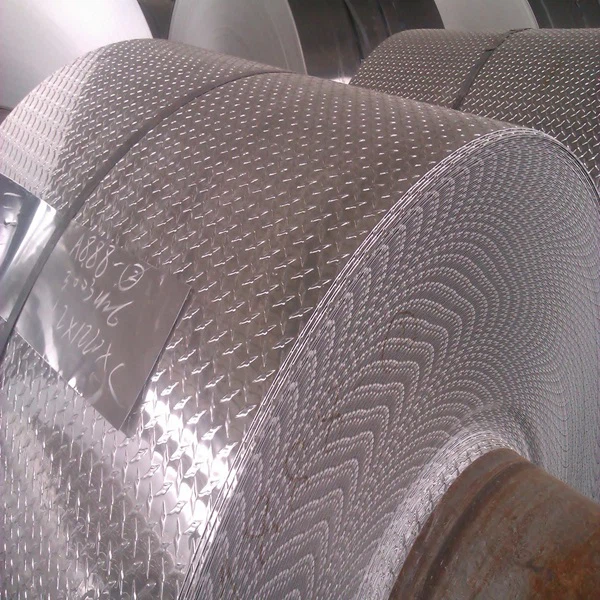
Before diving into the repair process, it's essential to have a basic understanding of what a Diamond Aluminum Coil is. These coils are made from high - quality aluminum alloy and are characterized by a diamond - shaped pattern on the surface. They are commonly used in flooring, transportation, and construction applications. The diamond pattern not only adds an aesthetic touch but also provides better traction, making them suitable for areas where slip resistance is crucial.
Common Types of Damage
There are several types of damage that a diamond aluminum coil may encounter:
- Scratches: These are the most common type of damage. They can occur during handling, transportation, or installation. Minor scratches may only affect the surface finish, while deeper scratches can expose the underlying aluminum, making it more susceptible to corrosion.
- Dents: Dents can happen due to impact from heavy objects. They can distort the diamond pattern and may also weaken the structural integrity of the coil in severe cases.
- Corrosion: If the protective coating of the aluminum coil is damaged, it can lead to corrosion. Corrosion can eat away at the aluminum, causing pitting and reducing the strength of the material.
Tools and Materials Needed for Repair
To repair a damaged diamond aluminum coil, you will need the following tools and materials:
- Sandpaper: Various grits of sandpaper, including coarse (80 - 120 grit) and fine (220 - 400 grit), are required for smoothing the surface and preparing it for further treatment.
- Aluminum filler: This is used to fill in dents and scratches. Make sure to choose a filler that is specifically designed for aluminum.
- Paintbrush or spray gun: Depending on the extent of the repair, you may need a paintbrush for small touch - ups or a spray gun for larger areas.
- Aluminum primer and paint: These are used to protect the repaired area from corrosion and to match the color of the original coil.
- Masking tape: To protect the surrounding areas from paint overspray.
- Safety equipment: Gloves, safety glasses, and a respirator are necessary to protect yourself from dust and fumes during the repair process.
Step - by - Step Repair Process
Step 1: Cleaning the Damaged Area
The first step is to clean the damaged area thoroughly. Use a mild detergent and water to remove any dirt, grease, or debris. Rinse the area with clean water and let it dry completely. This will ensure that the repair materials adhere properly.
Step 2: Repairing Scratches
- Minor Scratches: For minor scratches, start by sanding the area with fine - grit sandpaper. This will smooth out the scratch and blend it with the surrounding surface. After sanding, wipe the area clean with a cloth.
- Deeper Scratches: If the scratch is deeper, you may need to use an aluminum filler. Apply the filler to the scratch using a putty knife, following the manufacturer's instructions. Make sure to fill the scratch completely and smooth the surface. Let the filler dry according to the recommended time. Once dry, sand the filled area with fine - grit sandpaper until it is flush with the surrounding surface.
Step 3: Repairing Dents
- Small Dents: For small dents, you can try using a rubber mallet and a block of wood. Place the block of wood on the backside of the dent and gently tap the front of the dent with the rubber mallet. This will help to reshape the aluminum and reduce the appearance of the dent.
- Large Dents: If the dent is large, you may need to use an aluminum filler. Similar to the process for deep scratches, apply the filler to the dent, smooth it out, and let it dry. After drying, sand the filled area to make it level with the surrounding surface.
Step 4: Treating Corrosion
- Surface Corrosion: If the corrosion is only on the surface, you can use a wire brush to remove the rust. Sand the area with coarse - grit sandpaper to further clean and smooth the surface. Then, apply an aluminum primer to the treated area to prevent further corrosion.
- Deep - seated Corrosion: In cases of deep - seated corrosion, it may be necessary to cut out the corroded section and replace it with a new piece of diamond aluminum coil. This is a more complex repair and may require professional assistance.
Step 5: Painting the Repaired Area
Once the repair work is complete, it's time to paint the repaired area. First, apply an aluminum primer using a paintbrush or spray gun. Let the primer dry according to the manufacturer's instructions. Then, apply the top - coat paint. Make sure to choose a paint that matches the color of the original coil. Use masking tape to protect the surrounding areas from overspray. Apply multiple thin coats of paint for a smooth and even finish.
Preventive Measures
To minimize the chances of damage to your diamond aluminum coil, consider the following preventive measures:
- Proper Handling: During transportation and installation, use appropriate lifting equipment and ensure that the coils are not subjected to excessive force or impact.
- Regular Maintenance: Clean the diamond aluminum coils regularly to remove dirt and debris. Inspect them periodically for any signs of damage or corrosion and address them promptly.
- Protective Coatings: Consider applying an additional protective coating to the coils to enhance their resistance to scratches and corrosion.
Conclusion
Repairing a damaged diamond aluminum coil is a process that requires patience, the right tools, and materials. By following the steps outlined in this blog post, you can effectively repair minor to moderate damage and extend the lifespan of your diamond aluminum coil.
As a supplier of high - quality Diamond Aluminum Coil, Tread Aluminum Coil, and Checkered Aluminum Coil, we are committed to providing our customers with the best products and support. If you have any questions about our products or need assistance with repairs, please feel free to contact us for further information and to discuss your procurement needs.

References
- Aluminum Association. (20XX). Aluminum Handbook: Properties, Processing, and Applications.
- Manufacturer's guides for aluminum filler, primer, and paint used in the repair process.