

How to ensure the anti - slip performance of tread aluminum coil in wet conditions?
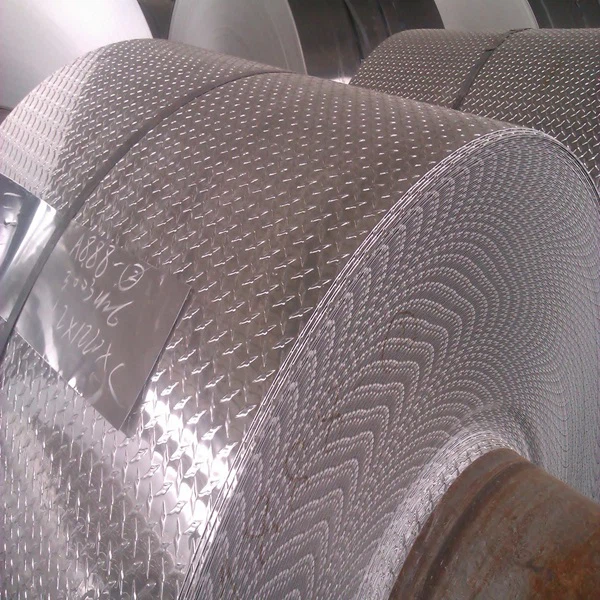
As a dedicated supplier of tread aluminum coils, I understand the critical importance of anti - slip performance, especially in wet conditions. Tread aluminum coils, also known as Aluminum Tread Coil, Checkered Aluminum Coil, and Diamond Aluminum Coil, are widely used in various applications where safety is a top priority, such as industrial walkways, stair treads, and marine decks. In wet environments, the risk of slips and falls increases significantly, and ensuring the anti - slip performance of these coils is essential.
Understanding the factors affecting anti - slip performance in wet conditions
-
Surface texture:
The surface texture of the tread aluminum coil plays a crucial role in its anti - slip performance. A well - designed texture can create channels for water to flow away, reducing the amount of water between the foot or wheel and the surface. For example, diamond - shaped patterns are commonly used in tread aluminum coils. The raised diamonds provide multiple contact points, increasing friction. When water is present, the gaps between the diamonds allow the water to drain quickly, preventing the formation of a slippery film. -
Aluminum alloy composition:
Different aluminum alloys have different physical properties that can affect anti - slip performance. Some alloys are more resistant to corrosion, which is important in wet conditions as corrosion can smooth the surface and reduce friction. For instance, alloys with a higher content of magnesium and silicon tend to have better corrosion resistance and mechanical properties. These alloys can maintain their surface integrity over time, ensuring consistent anti - slip performance. -
Surface treatment:
Surface treatments can enhance the anti - slip properties of tread aluminum coils. Anodizing is a popular surface treatment method. It creates a hard, porous oxide layer on the surface of the aluminum. This layer not only improves corrosion resistance but also increases the surface roughness, thereby enhancing friction. Additionally, applying a non - slip coating can further improve the anti - slip performance. These coatings are designed to provide extra grip, especially in wet conditions.
Design considerations for ensuring anti - slip performance
-
Pattern design:
When designing the pattern of the tread aluminum coil, the size and shape of the pattern elements need to be carefully considered. The height of the raised elements should be sufficient to provide good contact and friction, but not so high that it becomes a tripping hazard. The spacing between the elements should also be optimized to allow for efficient water drainage. For example, if the spacing is too small, water may not be able to flow freely, while if it is too large, the contact area may be reduced. -
Installation layout:
Proper installation of the tread aluminum coil is also important for anti - slip performance. The coils should be installed with a slight slope to facilitate water drainage. In areas where there is a high volume of water, such as near drains or in outdoor areas with heavy rainfall, additional drainage channels can be incorporated into the installation design. This ensures that water is quickly removed from the surface, maintaining a safe walking or working environment.
Testing and quality control
-
Friction coefficient testing:
To ensure the anti - slip performance of tread aluminum coils, friction coefficient testing is essential. There are several standard testing methods available, such as the pendulum test and the ramp test. The pendulum test measures the frictional resistance between a pendulum slider and the test surface. A higher friction coefficient indicates better anti - slip performance. By conducting regular friction coefficient testing, we can ensure that our products meet the required safety standards. -
Corrosion testing:
Since wet conditions can lead to corrosion, corrosion testing is also necessary. Salt spray testing is a common method used to evaluate the corrosion resistance of tread aluminum coils. In this test, the samples are exposed to a salt - water mist for a specified period. After the test, the samples are examined for signs of corrosion, such as pitting or discoloration. This helps us select the most suitable alloys and surface treatments to ensure long - term anti - slip performance. -
Quality control throughout the production process:
Quality control should be implemented at every stage of the production process. From the selection of raw materials to the final inspection of the finished product, strict quality control measures are in place. This includes checking the alloy composition, the accuracy of the pattern design, and the quality of the surface treatment. By maintaining high - quality standards, we can provide our customers with tread aluminum coils that consistently meet or exceed their anti - slip requirements.
Maintenance and care
-
Regular cleaning:
Regular cleaning of the tread aluminum coil is important to maintain its anti - slip performance. Dirt, debris, and oil can accumulate on the surface over time, reducing friction. Using a mild detergent and water, the surface can be cleaned to remove these contaminants. Avoid using abrasive cleaners or tools that may damage the surface texture. -
Inspection for damage:
Periodic inspections should be carried out to check for any signs of damage, such as scratches, dents, or corrosion. Damaged areas can affect the anti - slip performance and should be repaired or replaced promptly. For minor scratches, touch - up paint or a non - slip coating can be applied. For more severe damage, the affected section of the coil may need to be replaced.
Conclusion
Ensuring the anti - slip performance of tread aluminum coils in wet conditions requires a comprehensive approach that includes proper design, high - quality materials, effective surface treatments, rigorous testing, and regular maintenance. As a supplier of tread aluminum coils, we are committed to providing our customers with products that meet the highest safety standards. By understanding the factors that affect anti - slip performance and implementing the appropriate measures, we can offer reliable solutions for various applications in wet environments.

If you are in need of high - quality tread aluminum coils with excellent anti - slip performance, we invite you to contact us for more information and to discuss your specific requirements. We look forward to working with you to provide the best solutions for your projects.
References
- Aluminum Association. (2023). Aluminum Alloys: Properties and Applications.
- ASTM International. (2022). Standard Test Methods for Measuring Friction Coefficient of Surfaces.
- Surface Treatment Handbook. (2021). Anodizing and Non - Slip Coatings for Aluminum.