

Hey there! As an aluminum alloy coil supplier, I've been getting a lot of questions lately about how to develop aluminum alloy coils with good electrochemical performance. So, I thought I'd share some insights based on my experience in the industry.

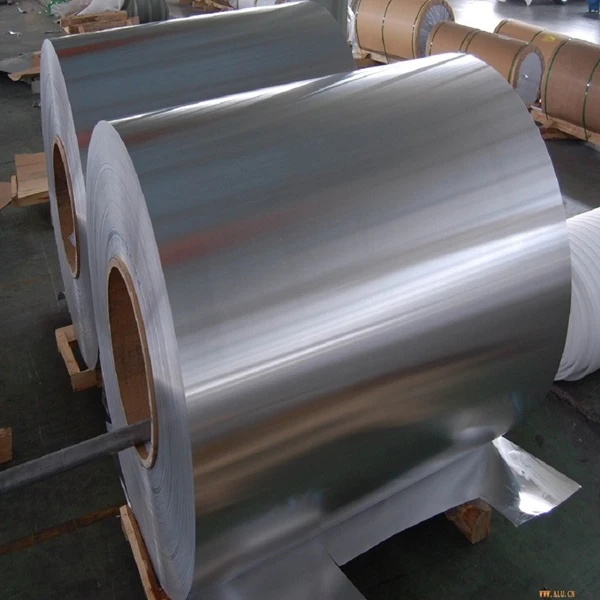
First off, let's understand why electrochemical performance matters. In many applications, like automotive parts, electronics, and construction, aluminum alloy coils need to resist corrosion and have good electrical conductivity. Corrosion can weaken the material over time, leading to structural failures, while poor electrical conductivity can affect the performance of electronic devices.
Selecting the Right Alloy Composition
The first step in developing aluminum alloy coils with good electrochemical performance is choosing the right alloy composition. Different alloying elements can have a significant impact on the electrochemical properties of aluminum. For example, adding magnesium can improve the strength and corrosion resistance of the alloy. Copper, on the other hand, can enhance electrical conductivity but may also reduce corrosion resistance if not balanced properly.
We usually work with a variety of alloys, such as 3003 and 5052. The 3003 alloy, which contains manganese, is known for its good formability and moderate strength. It also has decent corrosion resistance, making it suitable for many general-purpose applications. The 5052 alloy, with its magnesium content, offers higher strength and better corrosion resistance, especially in marine environments. You can check out our Aluminum Coil Roll for more information on the different alloys we offer.
Melting and Casting Process
Once we've selected the alloy composition, the next step is the melting and casting process. This is a crucial stage because it determines the initial microstructure of the aluminum alloy. We use high - quality raw materials and advanced melting techniques to ensure a homogeneous alloy.
During melting, we carefully control the temperature and the addition of alloying elements. We also use degassing and filtration methods to remove impurities and gases from the molten aluminum. This helps to improve the overall quality of the alloy and its electrochemical performance. After melting, the aluminum is cast into ingots or slabs, which will later be rolled into coils.
Rolling and Heat Treatment
The rolling process is what turns the cast ingots or slabs into thin coils. We use hot rolling and cold rolling techniques to achieve the desired thickness and surface finish. Hot rolling is done at high temperatures, which allows the aluminum to be easily deformed. Cold rolling, on the other hand, is carried out at room temperature and can improve the strength and hardness of the coil.
After rolling, heat treatment is often necessary to optimize the electrochemical properties of the aluminum alloy coil. Heat treatment can change the microstructure of the alloy, relieve internal stresses, and improve its corrosion resistance and electrical conductivity. For example, annealing can soften the alloy and improve its formability, while precipitation hardening can increase its strength.
Surface Treatment
Surface treatment is another important aspect of developing aluminum alloy coils with good electrochemical performance. One of the most common surface treatments is anodizing. Anodizing creates a protective oxide layer on the surface of the aluminum, which can significantly improve its corrosion resistance. The anodized layer can also be dyed to give the coil a decorative finish. You can learn more about our Anodized Aluminum Coil on our website.
Another surface treatment option is painting or coating. A high - quality paint or coating can provide an additional layer of protection against corrosion and other environmental factors. We carefully select the type of paint or coating based on the specific application and requirements of the customer.
Quality Control
Throughout the entire process of developing aluminum alloy coils, quality control is essential. We use a variety of testing methods to ensure that the coils meet the required electrochemical performance standards. For example, we perform corrosion tests, such as salt spray tests, to evaluate the corrosion resistance of the alloy. We also measure the electrical conductivity of the coils to ensure that they meet the specifications.
We have a team of experienced quality control engineers who monitor every step of the production process. They check the raw materials, the intermediate products, and the final coils to make sure that everything is up to par. Any products that do not meet the quality standards are either reworked or discarded.
Applications of Aluminum Alloy Coils with Good Electrochemical Performance
Aluminum alloy coils with good electrochemical performance have a wide range of applications. In the automotive industry, they are used for body panels, engine components, and electrical systems. The corrosion resistance of the coils helps to extend the lifespan of the vehicles, while the electrical conductivity is important for the proper functioning of the electrical systems.
In the construction industry, Aluminum Coil for Roofing is a popular choice. The good electrochemical performance of the coils ensures that the roofs can withstand harsh weather conditions and last for a long time. They are also lightweight, which makes them easier to install.
In the electronics industry, aluminum alloy coils are used for heat sinks, printed circuit boards, and other components. The electrical conductivity and thermal conductivity of the coils are crucial for the efficient operation of electronic devices.
Conclusion
Developing aluminum alloy coils with good electrochemical performance is a complex process that involves careful alloy selection, precise manufacturing techniques, and strict quality control. By following these steps, we can produce high - quality coils that meet the diverse needs of our customers.
If you're interested in our aluminum alloy coils or have any questions about their electrochemical performance, feel free to reach out to us. We're always happy to discuss your specific requirements and provide you with the best solutions. Whether you need coils for automotive, construction, or electronics applications, we've got you covered.
References
- ASM Handbook Volume 2: Properties and Selection: Nonferrous Alloys and Special - Purpose Materials
- Aluminum Association Technical Papers
- Corrosion Engineering Handbook, Third Edition