

Hey there! As a supplier of 3003 aluminum coil, I've seen firsthand how important it is to cut this stuff accurately. Whether you're a DIY enthusiast or a professional contractor, getting clean, precise cuts can make all the difference in your project. So, let's dive into some tips and tricks on how to cut 3003 aluminum coil like a pro.
Understanding 3003 Aluminum Coil
Before we start cutting, it's essential to know what we're working with. 3003 aluminum coil is an alloy that contains manganese as the primary alloying element. This gives it good formability, moderate strength, and excellent corrosion resistance. It's commonly used in various applications, including Aluminum Roofing Coil, heat exchangers, and general sheet metal work.
Tools You'll Need
To cut 3003 aluminum coil accurately, you'll need the right tools. Here are some options:
- Tin Snips: These are great for small, straight cuts. They're inexpensive and easy to use, making them a good choice for DIYers.
- Jigsaw: A jigsaw with a fine-tooth blade can handle more complex cuts, including curves. It's a versatile tool that can be used on different thicknesses of aluminum coil.
- Circular Saw: For larger projects and straight cuts, a circular saw with a carbide-tipped blade is a powerful option. Make sure to use a blade specifically designed for cutting non-ferrous metals.
- Shears: Power shears or hydraulic shears are ideal for cutting large sheets of aluminum coil quickly and accurately. They're commonly used in industrial settings.
Preparing the Aluminum Coil
Before you start cutting, it's important to prepare the aluminum coil properly. Here's what you need to do:
- Measure and Mark: Use a measuring tape and a straightedge to measure and mark the areas where you want to cut. Make sure your measurements are accurate and double-check them before you start cutting.
- Secure the Coil: If you're using a circular saw or a jigsaw, secure the aluminum coil to a stable work surface. You can use clamps or a vise to hold the coil in place and prevent it from moving while you're cutting.
- Wear Safety Gear: Cutting aluminum coil can produce sharp edges and metal shavings, so it's important to wear safety gear, including safety glasses, gloves, and ear protection.
Cutting Techniques
Now that you have your tools and the aluminum coil is prepared, it's time to start cutting. Here are some techniques to help you get accurate cuts:
- Straight Cuts: If you're making a straight cut, use a straightedge as a guide. Place the straightedge along the marked line and hold it firmly in place. Then, use your cutting tool to follow the straightedge. Make sure to apply even pressure and keep your cutting speed consistent.
- Curved Cuts: For curved cuts, use a jigsaw or a scroll saw. Start by drilling a small hole at the starting point of the curve. Then, insert the jigsaw blade into the hole and start cutting along the marked line. Take your time and follow the curve slowly and steadily.
- Angle Cuts: To make angle cuts, you can use a miter saw or a circular saw with a miter gauge. Set the miter gauge to the desired angle and make your cut. Make sure to measure and mark the angle accurately before you start cutting.
Tips for a Clean Cut
Here are some additional tips to help you get a clean, accurate cut:
- Use the Right Blade: Make sure to use a blade that's designed for cutting aluminum coil. A blade with a high tooth count will produce a cleaner cut and reduce the risk of tearing or chipping the aluminum.
- Lubricate the Blade: Applying a lubricant to the blade can help reduce friction and heat, which can improve the cutting performance and extend the life of the blade. You can use a commercial lubricant or a simple solution of water and dish soap.
- Take Your Time: Cutting aluminum coil takes time and patience. Don't rush the process, and make sure to take breaks if you need to. Taking your time will help you make more accurate cuts and avoid mistakes.
Common Mistakes to Avoid
Here are some common mistakes to avoid when cutting 3003 aluminum coil:
- Using the Wrong Tool: Using the wrong tool for the job can result in inaccurate cuts and damage to the aluminum coil. Make sure to choose the right tool based on the type of cut you need to make and the thickness of the aluminum coil.
- Not Securing the Coil: If the aluminum coil isn't secured properly, it can move while you're cutting, which can result in inaccurate cuts and even injury. Make sure to use clamps or a vise to hold the coil in place.
- Cutting Too Fast: Cutting too fast can cause the blade to overheat and dull quickly, which can result in a rough, uneven cut. Make sure to cut at a moderate speed and apply even pressure.
After Cutting
Once you've finished cutting the aluminum coil, there are a few things you need to do:
- Deburr the Edges: Use a file or a deburring tool to remove any sharp edges or burrs from the cut edges of the aluminum coil. This will make the edges smooth and safe to handle.
- Clean the Coil: Use a clean cloth or a brush to remove any metal shavings or debris from the aluminum coil. You can also use a mild detergent and water to clean the coil if necessary.
- Inspect the Cut: After you've deburred the edges and cleaned the coil, inspect the cut to make sure it's accurate and clean. If there are any rough spots or uneven edges, you can use a sandpaper or a file to smooth them out.
Conclusion
Cutting 3003 aluminum coil accurately takes practice and the right tools. By following the tips and techniques outlined in this blog post, you can improve your cutting skills and get clean, precise cuts every time. Whether you're working on a small DIY project or a large industrial job, accurate cutting is essential for a successful outcome.
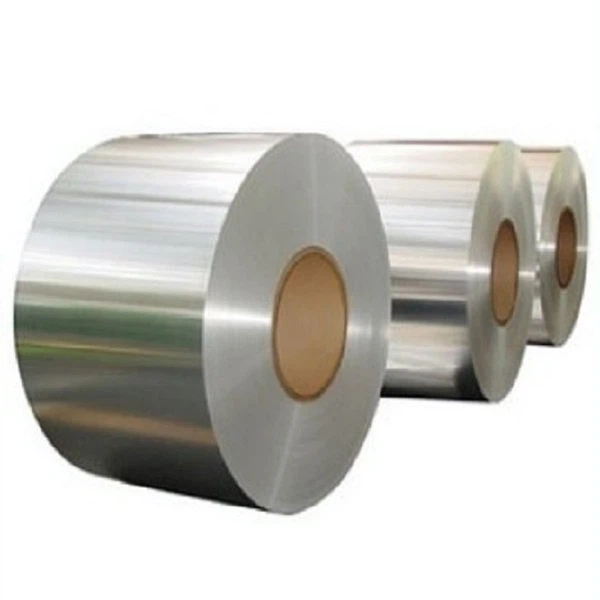

If you're in the market for high-quality 3003 aluminum coil, look no further. As a trusted supplier, we offer a wide range of Mill Finish Aluminum Coil and 3105 Aluminum Coil to meet your needs. Our products are made from the highest quality materials and are available in various thicknesses and widths.
If you have any questions or need help choosing the right aluminum coil for your project, don't hesitate to contact us. We're here to help you find the best solution for your needs and ensure your project is a success.
References
- "Aluminum Alloy 3003: Properties, Applications, and Fabrication." The Aluminum Association.
- "Cutting Aluminum: Tips and Tricks." Popular Mechanics.
- "How to Cut Aluminum Sheet Metal." Family Handyman.