

Hey there! As a cable aluminium foil supplier, I often get asked about how to clean cable aluminium foil when it gets dirty. Well, you've come to the right place! In this blog, I'll share some practical tips and methods to help you keep your cable aluminium foil in top - notch condition.
First off, let's understand why cable aluminium foil might get dirty. It could be due to environmental factors like dust, dirt, and moisture. Industrial settings might expose it to grease, oil, or chemical residues. And in some cases, just normal handling can leave fingerprints and smudges on the surface.
Before we start cleaning, it's crucial to assess the degree of dirtiness. Is it just a light layer of dust? Or is there a stubborn stain that needs some extra attention? This will determine the cleaning method you should use.
For Light Dirt and Dust
If it's just a light layer of dust on the cable aluminium foil, a simple dry cleaning method can do the trick. You can use a soft, clean microfiber cloth. These cloths are great because they are gentle on the foil surface and can effectively pick up dust particles without scratching.
Just gently wipe the surface of the cable aluminium foil in one direction. Avoid rubbing back and forth vigorously, as this might cause fine scratches on the foil. If there are areas where the dust seems a bit more stubborn, you can use a soft - bristled brush, like a makeup brush or a paintbrush with soft bristles, to gently brush the dust away.
For Fingerprints and Smudges
Fingerprints and smudges are a common problem, especially if the cable aluminium foil has been handled a lot. For this type of dirt, you can use a mild soap and water solution.
First, fill a small bowl with lukewarm water and add a few drops of mild dish soap. Make sure the soap is gentle and doesn't contain any harsh chemicals that could damage the aluminium foil. Dip a soft cloth into the soapy water, wring it out well so that it's just damp, not dripping wet.
Then, gently wipe the areas with fingerprints and smudges. You'll notice that the soap helps to break down the oils in the fingerprints. After wiping, use a clean, dry cloth to dry the foil thoroughly. This is important because leaving the foil wet can lead to water spots and potential corrosion over time.
For Grease and Oil Stains
In industrial settings or if the cable aluminium foil has come into contact with grease or oil, you'll need a more powerful cleaning solution. One option is to use isopropyl alcohol. It's a common household item that can effectively dissolve grease and oil.
Pour a small amount of isopropyl alcohol onto a soft cloth. Make sure the cloth is well - saturated but not dripping. Gently rub the grease or oil stains on the cable aluminium foil. The alcohol will start to break down the grease, and you can wipe it away. However, be careful when using alcohol, as it evaporates quickly. Also, make sure to ventilate the area well, as the fumes can be a bit strong.
Another alternative for grease and oil stains is a degreaser. There are many commercial degreasers available in the market. Look for one that is suitable for aluminium surfaces. Follow the instructions on the degreaser carefully. Usually, you'll spray it on the stained area, let it sit for a few minutes to break down the grease, and then wipe it off with a clean cloth.
For Chemical Residues
If the cable aluminium foil has been exposed to chemical residues, it's a bit more tricky. First, you need to identify what kind of chemicals it is. If it's an acidic or alkaline residue, you need to neutralize it before cleaning.
For acidic residues, you can use a mild alkaline solution like baking soda and water. Mix a small amount of baking soda with water to form a paste. Apply the paste to the affected area and let it sit for a few minutes. The baking soda will react with the acid and neutralize it. Then, rinse the area with clean water and dry it with a cloth.
For alkaline residues, you can use a mild acidic solution, such as lemon juice diluted with water. Apply the solution to the residue, let it work for a while, and then rinse and dry.
It's important to note that when dealing with chemical residues, you should wear protective gloves and goggles to avoid any contact with the chemicals.

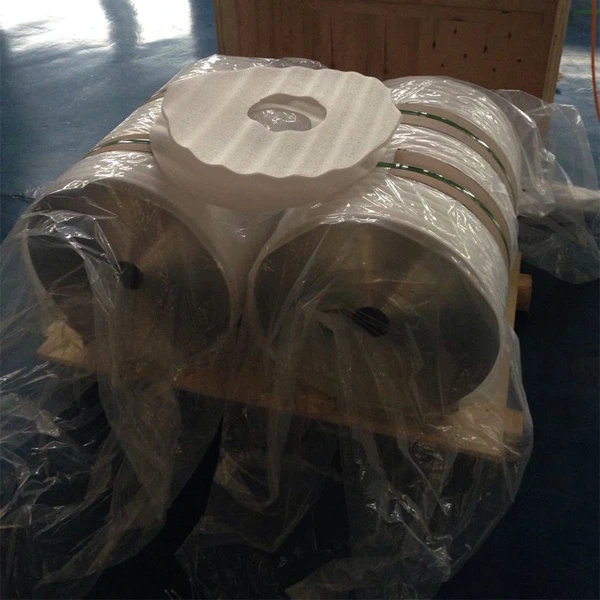
Now, let's talk about some things to avoid when cleaning cable aluminium foil.
- Avoid using abrasive materials: Scrubbing pads, steel wool, or any other abrasive materials should never be used on cable aluminium foil. These can scratch the surface, which not only affects the appearance but also weakens the foil and makes it more prone to damage.
- Don't use harsh chemicals: Strong acids, alkalis, and solvents can corrode the aluminium foil. Always choose mild cleaning agents.
- Don't soak the foil for too long: Even in a mild cleaning solution, soaking the cable aluminium foil for an extended period can cause damage. Keep the cleaning process short and efficient.
As a cable aluminium foil supplier, I also want to mention some of the great products we offer. We have high - quality 7 Micron Aluminum Foil, which is very thin but still has excellent durability. Our 540mm Width Aluminium Foil for Chocolate is perfect for the chocolate industry, providing great protection for the product. And if you're in the building insulation business, our Aluminum Foil for Building Insulation is a top - choice with its excellent insulation properties.
If you're interested in purchasing our cable aluminium foil or any of our other products, we'd love to have a chat with you. Whether you need a small quantity for a test project or a large - scale order for your business, we can meet your needs. Reach out to us to start a discussion about your requirements.
In conclusion, cleaning cable aluminium foil doesn't have to be a difficult task. By choosing the right cleaning method based on the type of dirt and following the do's and don'ts, you can keep your cable aluminium foil clean and in good condition. This not only extends the lifespan of the foil but also ensures its optimal performance.
References
- "Aluminium: Properties and Physical Metallurgy" by John E. Hatch
- "Handbook of Aluminium" edited by Cornelis Verhoeven