

When it comes to constructing or renovating a building, choosing the right materials is crucial for ensuring long - term durability and functionality. Among these materials, aluminum gutter coils play a significant role in diverting rainwater away from the building's foundation. As an aluminum gutter coil supplier, I understand the importance of selecting the appropriate thickness of the coil for different building types. In this blog post, I'll share some insights on how to make this important decision.
Understanding Aluminum Gutter Coils
Aluminum gutter coils are a popular choice for gutter systems due to their numerous advantages. Aluminum is lightweight, corrosion - resistant, and relatively inexpensive compared to other metals. It can be easily formed into various gutter shapes and sizes, making it suitable for different architectural styles.
Before delving into the thickness selection, it's essential to know that the thickness of aluminum gutter coils is typically measured in gauges. In the United States, a lower gauge number indicates a thicker material. For example, a 26 - gauge aluminum coil is thicker than a 28 - gauge one.
Factors Influencing Thickness Selection
Building Size
The size of the building is a primary factor in determining the right thickness of the aluminum gutter coil. Larger buildings generally require thicker gutter coils. A large - scale commercial building with a vast roof area will experience a higher volume of water runoff during rainstorms. A thicker gutter coil, such as a 24 - gauge or 26 - gauge, can better withstand the increased water pressure and potential debris carried by the water.
On the other hand, a small residential building, like a cottage or a tiny house, may be adequately served by a thinner 28 - gauge or 30 - gauge aluminum gutter coil. These thinner coils are more cost - effective for smaller projects while still providing sufficient durability for the relatively lower water volume.
Roof Pitch
The pitch or slope of the roof also affects the choice of gutter coil thickness. A steeply pitched roof allows water to flow more rapidly towards the gutters. This increased speed and force of the water can put more stress on the gutters. For roofs with a high pitch, it's advisable to use a thicker aluminum gutter coil. A 24 - gauge or 26 - gauge coil can handle the high - velocity water flow without getting damaged easily.
In contrast, a roof with a low pitch has a slower water flow rate. As a result, a thinner 28 - gauge or 30 - gauge coil may be sufficient to collect and divert the water effectively.
Climate Conditions
The local climate is another critical consideration. Areas with heavy rainfall, frequent storms, or high winds require more robust gutter systems. In regions prone to hurricanes or tropical storms, for example, a thicker 22 - gauge or 24 - gauge aluminum gutter coil is recommended. These thicker coils can withstand the high - intensity water flow and the physical stress caused by strong winds.
In drier climates with less precipitation, a thinner coil can be used. A 30 - gauge coil may be suitable for buildings in arid regions where water runoff is minimal.
Building Location
The location of the building in relation to trees and other debris sources is important. If a building is surrounded by trees, the gutters are more likely to collect leaves, twigs, and other debris. This can cause blockages and increase the weight on the gutters. A thicker 26 - gauge or 24 - gauge aluminum gutter coil can better handle the additional weight and the potential abrasion from the debris.
Thickness Recommendations for Different Building Types
Residential Buildings
- Single - Family Homes: For most single - family homes, a 28 - gauge aluminum gutter coil is a common choice. It offers a good balance between cost and durability. However, if the home has a large roof area, a steep pitch, or is located in an area with heavy rainfall, a 26 - gauge coil may be more appropriate.
- Multi - Family Residences: Apartment buildings or townhouses usually require a thicker gutter coil due to the larger roof area and higher water volume. A 24 - gauge or 26 - gauge coil is recommended for these types of buildings.
Commercial Buildings
- Small Retail Stores and Offices: These smaller commercial buildings can often use a 26 - gauge aluminum gutter coil. It provides sufficient strength to handle the water runoff from the relatively modest roof areas.
- Large Warehouses and Industrial Buildings: Large - scale commercial and industrial buildings need the most robust gutter systems. A 22 - gauge or 24 - gauge aluminum gutter coil is necessary to cope with the massive roof areas and high water volumes.
Special - Purpose Buildings
- Historical Buildings: When renovating historical buildings, the choice of gutter coil thickness should consider both the aesthetic and functional requirements. A 26 - gauge or 28 - gauge coil can be used to match the original design while providing adequate durability.
- Green Buildings: Green buildings often have unique roofing systems, such as green roofs. These roofs may have different water runoff characteristics. A 24 - gauge or 26 - gauge coil is typically recommended to handle the potentially higher water retention and slow - release properties of green roofs.
Benefits of Choosing the Right Thickness
Selecting the correct thickness of the aluminum gutter coil offers several benefits. Firstly, it ensures the longevity of the gutter system. A properly sized coil will not deform or break easily under normal use, reducing the need for frequent repairs or replacements.
Secondly, it improves the efficiency of the gutter system. The right thickness allows the gutters to collect and divert water effectively, preventing water damage to the building's foundation, walls, and landscaping.

Finally, choosing the appropriate thickness can save costs in the long run. While a thicker coil may have a higher upfront cost, it can avoid costly repairs and replacements in the future, making it a more economical choice over time.
Our Product Range
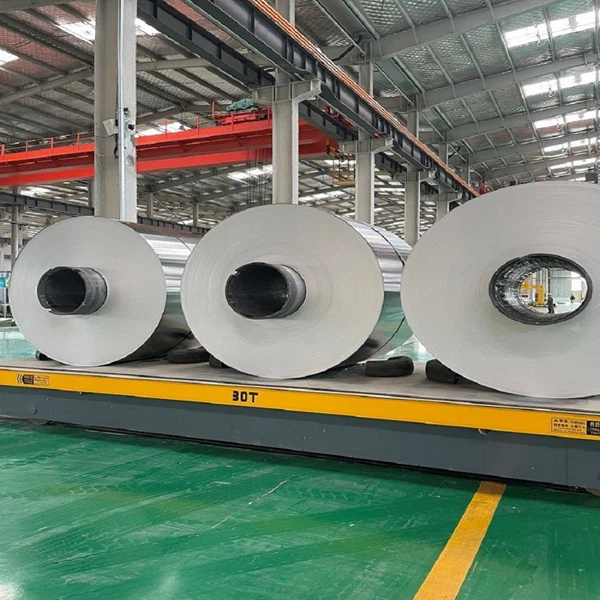
As an aluminum gutter coil supplier, we offer a wide range of products to meet the needs of different building types. Our Aluminum Coil for Roofing is available in various thicknesses, from 22 - gauge to 30 - gauge. We also provide Cutting Aluminum Trim Coil for precise installation. Additionally, our 5052 Aluminum Coil is known for its high strength and corrosion resistance, making it a great option for demanding applications.
Conclusion
Choosing the right thickness of aluminum gutter coil for different building types is a decision that should be based on multiple factors, including building size, roof pitch, climate conditions, and building location. By carefully considering these factors, you can ensure that your gutter system is durable, efficient, and cost - effective.
If you're in the process of building or renovating a structure and need assistance in selecting the appropriate aluminum gutter coil thickness, don't hesitate to contact us. Our team of experts is ready to help you make the right choice. We look forward to discussing your project and providing you with high - quality aluminum gutter coils.
References
- "Aluminum Building Materials Handbook" by The Aluminum Association
- "Roofing and Gutter Installation Guide" by National Roofing Contractors Association