

Can Rolled Aluminum Coil Be Bent Easily?
As a supplier of rolled aluminum coils, I often encounter inquiries from customers about the bendability of our products. This is a crucial aspect, especially for those in industries such as construction, automotive, and manufacturing, where shaping the material to specific forms is a common requirement. In this blog, I will delve into the factors that influence the bendability of rolled aluminum coils and provide insights to help you understand whether they can be bent easily.
Understanding Rolled Aluminum Coils
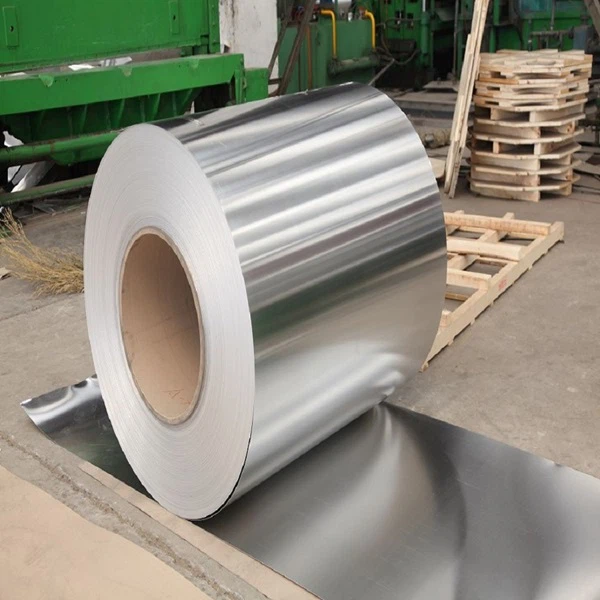
Rolled aluminum coils are produced through a process of rolling aluminum ingots into thin, continuous sheets that are then wound into coils. These coils come in various thicknesses, widths, and alloys, each with its own set of properties. The most common alloys used in rolled aluminum coils include 1xxx, 3xxx, 5xxx, and 6xxx series, with each series offering different levels of strength, corrosion resistance, and formability.

Factors Affecting Bendability
- Alloy Composition
The alloy composition of the rolled aluminum coil plays a significant role in its bendability. For instance, the 5754 Aluminum Coil is known for its excellent formability, making it relatively easy to bend. This alloy contains magnesium as the main alloying element, which enhances its ductility. On the other hand, alloys with higher levels of copper or zinc may be stronger but less bendable due to their increased hardness. - Thickness
Thickness is another critical factor. Generally, thinner rolled aluminum coils are easier to bend than thicker ones. As the thickness increases, the force required to bend the coil also increases significantly. For example, a thin Aluminum Sheet Metal Coil with a thickness of 0.5 mm can be bent with relative ease using simple hand tools, while a 5 mm thick coil may require specialized bending equipment. - Temper
The temper of the aluminum coil refers to its hardness and strength, which are determined by the heat treatment process. Soft tempers, such as O-temper (annealed), are more ductile and easier to bend compared to hard tempers like T6 (solution heat-treated and artificially aged). When selecting a rolled aluminum coil for bending applications, it is important to choose the appropriate temper based on the required degree of bend. - Bending Radius
The bending radius also affects the ease of bending. A larger bending radius requires less force and is generally easier to achieve than a smaller one. When bending a rolled aluminum coil, it is essential to ensure that the bending radius is within the recommended range for the specific alloy and thickness to avoid cracking or other defects.
Techniques for Bending Rolled Aluminum Coils
- Hand Bending
For thin and small - sized rolled aluminum coils, hand bending can be a simple and cost - effective method. This involves using basic hand tools such as pliers, bending brakes, or even a simple vise. However, it is important to take precautions to ensure a smooth and uniform bend. - Mechanical Bending
Mechanical bending machines, such as press brakes and roll benders, are commonly used for larger and thicker rolled aluminum coils. These machines can apply a controlled amount of force to achieve precise bends. Press brakes are suitable for making straight bends, while roll benders can create curved shapes. - Heat Bending
In some cases, heat can be applied to the rolled aluminum coil to improve its bendability. Heating the coil reduces its hardness and increases its ductility, making it easier to bend. However, this method requires careful control of the temperature to avoid overheating, which can cause the aluminum to lose its strength and other properties.
Applications Where Bendability Matters
- Construction
In the construction industry, Aluminum Roofing Coil is often used for roofing and siding applications. The ability to bend the coil easily allows for the creation of custom - shaped roof profiles and seamless joints, enhancing the aesthetic appeal and functionality of the building. - Automotive
Automotive manufacturers use rolled aluminum coils for various components, such as body panels and frames. The ease of bending these coils enables the production of complex shapes that meet the design requirements of modern vehicles while also reducing weight and improving fuel efficiency. - Manufacturing
In general manufacturing, rolled aluminum coils are used to produce a wide range of products, from consumer goods to industrial equipment. The ability to bend the coils easily allows for the efficient production of parts with different shapes and sizes, reducing production costs and lead times.
Conclusion
So, can rolled aluminum coils be bent easily? The answer is that it depends on several factors, including alloy composition, thickness, temper, and bending radius. With the right selection of materials and appropriate bending techniques, rolled aluminum coils can be bent to meet a wide range of application requirements.
As a supplier of high - quality rolled aluminum coils, we offer a diverse range of products with different alloys, thicknesses, and tempers to suit your specific needs. Whether you are in the construction, automotive, or manufacturing industry, we can provide you with the ideal solution for your bending applications.
If you are interested in our rolled aluminum coils or have any questions about their bendability, please feel free to contact us for a detailed discussion. We are committed to providing you with the best products and services to help you achieve your project goals.
References
- Aluminum Association. Aluminum Standards and Data.
- ASM Handbook, Volume 2: Properties and Selection: Nonferrous Alloys and Special - Purpose Materials.