

As a long - standing supplier of aluminum alloy coils, I often get asked about their various properties, and one question that frequently comes up is whether aluminum alloy coils are fire - resistant. In this blog post, I'll delve into the science behind the fire - resistance of aluminum alloy coils, explore their performance in different fire scenarios, and provide insights for potential buyers.
Understanding Aluminum Alloy Coils
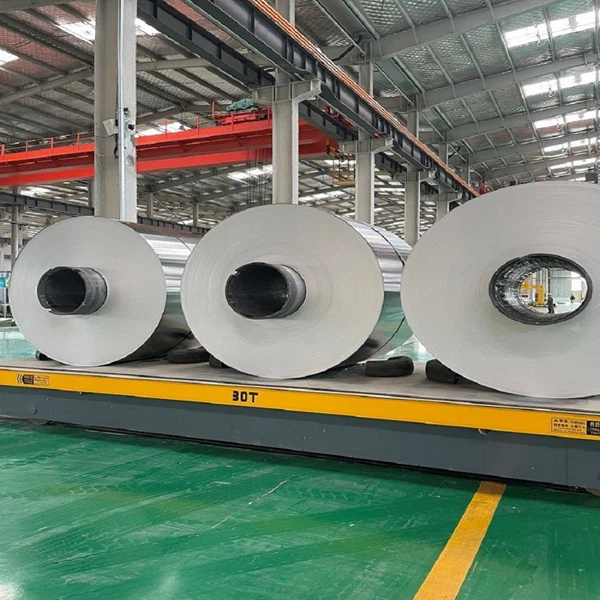
Before we discuss fire - resistance, let's briefly understand what aluminum alloy coils are. Aluminum alloy coils are made by combining aluminum with other elements such as copper, magnesium, silicon, and zinc. These alloying elements enhance the mechanical properties of aluminum, including strength, hardness, and corrosion resistance.
Aluminum alloy coils come in a wide range of types and specifications to meet different application requirements. For example, [Mill Finish Aluminum Coil](/aluminium - coil/rolled - aluminium - coil/mill - finish - aluminum - coil.html) is known for its smooth and natural appearance, making it suitable for architectural applications where aesthetics are important. [Cutting Aluminum Trim Coil](/aluminium - coil/rolled - aluminium - coil/cutting - aluminum - trim - coil.html) is designed for easy cutting and shaping, often used in trim work. And [1100 Aluminum Coil](/aluminium - coil/rolled - aluminium - coil/1100 - aluminum - coil.html) is a pure aluminum - based coil with good formability and corrosion resistance, commonly used in the chemical and food industries.
Fire - Resistance of Aluminum Alloy Coils
To understand the fire - resistance of aluminum alloy coils, we need to look at the properties of aluminum itself. Aluminum has a relatively low melting point of about 660°C (1220°F). When exposed to high - temperature flames, aluminum will start to melt. However, this doesn't necessarily mean that aluminum alloy coils are not fire - resistant.
One of the key factors contributing to the fire - performance of aluminum alloy coils is the formation of an oxide layer. When aluminum is heated, it reacts with oxygen in the air to form a thin layer of aluminum oxide (Al₂O₃). This oxide layer acts as a protective barrier, slowing down the further oxidation and melting of the aluminum. The oxide layer has a high melting point (about 2072°C or 3762°F) and is relatively stable at high temperatures.
In addition, aluminum alloy coils have good thermal conductivity. This means that when they are exposed to fire, the heat is quickly dissipated across the surface of the coil. As a result, the local temperature rise is limited, and the coil is less likely to reach its melting point in a short period.
Performance in Different Fire Scenarios
Low - Intensity Fires
In low - intensity fires, where the temperature is relatively low and the heat source is not very strong, aluminum alloy coils can maintain their structural integrity for a certain period. The oxide layer forms quickly and effectively slows down the oxidation process. For example, in a small kitchen fire where the temperature may reach a few hundred degrees Celsius, an aluminum alloy coil used in a kitchen ventilation duct may not be severely damaged.

High - Intensity Fires
In high - intensity fires, such as those in industrial settings or large - scale building fires, the situation is more complex. If the temperature exceeds the melting point of aluminum for an extended period, the coil will start to melt. However, the fire - spread characteristics of aluminum alloy coils are still different from some other materials. Aluminum doesn't burn in the traditional sense like wood or plastic. It doesn't support combustion, which means it won't contribute to the spread of fire by self - ignition or releasing flammable gases.
Applications in Fire - Sensitive Areas
Despite its relatively low melting point, aluminum alloy coils are widely used in fire - sensitive areas due to their unique fire - performance characteristics.
Building Construction
In building construction, aluminum alloy coils are used for roofing, wall cladding, and curtain walls. The fire - resistance of these coils helps to prevent the spread of fire from the exterior to the interior of the building. For example, in a high - rise building, the aluminum alloy curtain wall can act as a fire - barrier, protecting the occupants inside.
Transportation
In the transportation industry, aluminum alloy coils are used in the manufacturing of vehicles, including cars, trains, and airplanes. The lightweight and fire - resistant properties of aluminum alloy coils make them an ideal choice for reducing the weight of the vehicle while ensuring safety in case of a fire.
Factors Affecting Fire - Resistance
Several factors can affect the fire - resistance of aluminum alloy coils:
Alloy Composition
Different alloying elements can have different effects on the fire - performance of aluminum alloy coils. For example, some alloys may form a more stable oxide layer, providing better protection against oxidation and melting.
Coating
Applying a fire - resistant coating to the surface of the aluminum alloy coil can significantly improve its fire - resistance. The coating can act as an additional barrier, delaying the melting of the aluminum and reducing the spread of fire.
Thickness
The thickness of the aluminum alloy coil also plays a role in its fire - resistance. Thicker coils generally have better fire - performance because they can absorb more heat before reaching their melting point.
Making an Informed Decision
If you are considering using aluminum alloy coils in your project, it's important to make an informed decision based on your specific requirements. Here are some points to consider:
Fire Rating
Check the fire rating of the aluminum alloy coils. Different products may have different fire ratings, which indicate their performance in fire tests. Make sure the coils meet the relevant fire - safety standards for your application.

Application Environment
Consider the application environment. If the coils will be used in a high - risk fire area, such as a chemical plant or a power station, you may need to choose coils with higher fire - resistance.
Cost - Benefit Analysis
Evaluate the cost - benefit of using aluminum alloy coils. While they may offer good fire - performance, you also need to consider the cost of the coils and any additional fire - protection measures.

Contact for Purchase and Negotiation
If you are interested in purchasing aluminum alloy coils, I'm here to assist you. I can provide you with detailed product information, including specifications, fire - ratings, and pricing. Whether you need [Mill Finish Aluminum Coil](/aluminium - coil/rolled - aluminium - coil/mill - finish - aluminum - coil.html), [Cutting Aluminum Trim Coil](/aluminium - coil/rolled - aluminium - coil/cutting - aluminum - trim - coil.html), or [1100 Aluminum Coil](/aluminium - coil/rolled - aluminium - coil/1100 - aluminum - coil.html), I have a wide range of options to meet your needs. Contact me to start the negotiation process and find the best solution for your project.
References
- "Aluminum Alloys: A Technical Guide" by ASM International
- "Fire Protection Handbook" by National Fire Protection Association
- Research papers on the fire - performance of aluminum materials from academic journals.