

Hey there! As an aluminum alloy coil supplier, I'm super stoked to walk you through the painting process for these coils. It's a pretty cool journey from raw material to a finished, vibrant product, so let's dive right in!
Step 1: Surface Preparation
First things first, the surface of the aluminum alloy coil needs to be prepped. This is crucial because it ensures that the paint adheres properly and lasts a long time. We start by cleaning the coil to get rid of any dirt, oil, or other contaminants. This can be done using a combination of chemical cleaners and mechanical methods.
We might use alkaline cleaners to remove grease and oils. These cleaners break down the contaminants, making them easier to rinse off. After the chemical cleaning, we give the coil a good rinse with water to make sure all the cleaner is removed.
Next, we perform a surface treatment. This could be something like anodizing or chemical conversion coating. Anodizing creates a thin, protective layer on the surface of the aluminum, which not only helps with paint adhesion but also adds to the coil's corrosion resistance. Chemical conversion coatings, on the other hand, change the surface chemistry of the aluminum to improve paint bonding.
Step 2: Primer Application
Once the surface is all prepped, it's time to apply the primer. The primer acts as a base layer between the aluminum and the topcoat. It helps to seal the surface, prevent corrosion, and provide a smooth surface for the topcoat to adhere to.
We use a special coating machine to apply the primer evenly across the coil. The machine can control the thickness of the primer layer precisely, ensuring that we get the best results. The primer is usually a liquid that dries quickly, and it's important to let it dry completely before moving on to the next step.
There are different types of primers available, and we choose the one that's best suited for the specific application of the aluminum alloy coil. For example, if the coil is going to be used in an outdoor environment, we'll use a primer that offers high corrosion resistance.
Step 3: Topcoat Application
After the primer has dried, it's time for the fun part - applying the topcoat! The topcoat is what gives the aluminum alloy coil its color and finish. We have a wide range of colors and finishes available, from glossy to matte, to meet the different needs of our customers.
Just like with the primer, we use a coating machine to apply the topcoat. The machine sprays the paint onto the coil in a fine mist, ensuring an even and smooth application. We can control the thickness of the topcoat to achieve the desired look and performance.
The topcoat not only provides the aesthetic appeal but also offers additional protection to the aluminum. It can resist scratches, UV rays, and other environmental factors, making the coil more durable.
Step 4: Curing
Once the topcoat is applied, the coil goes through a curing process. Curing is basically a way of hardening the paint so that it forms a strong, durable bond with the aluminum.
We use an oven to cure the painted coil. The oven is set to a specific temperature and time, depending on the type of paint and the thickness of the coating. During the curing process, the solvents in the paint evaporate, and the paint molecules cross - link, forming a solid film.
Curing is a critical step because it determines the final quality of the painted coil. If the curing process is not done correctly, the paint may not adhere properly, or it may not have the desired durability.
Step 5: Inspection and Quality Control
After the curing process is complete, we inspect the painted aluminum alloy coil to make sure it meets our quality standards. We check for things like paint thickness, color consistency, and the presence of any defects such as bubbles or runs.
We use specialized equipment to measure the paint thickness and ensure that it's within the specified range. We also compare the color of the coil to a color standard to make sure it matches the customer's requirements.
If we find any defects, we take the necessary steps to correct them. This could involve re - coating the affected area or, in some cases, scrapping the coil if the defect is too severe.
Applications of Painted Aluminum Alloy Coils
Painted aluminum alloy coils have a wide range of applications. One of the most common applications is in the construction industry. For example, Aluminum Roofing Coil is often used for roofing because it's lightweight, durable, and offers excellent corrosion resistance. The painted finish not only adds to the aesthetic appeal of the roof but also provides additional protection against the elements.
Another popular application is Aluminum Gutter Coil. Gutter systems made from painted aluminum alloy coils are not only functional but also look great. The paint helps to prevent rust and corrosion, ensuring that the gutters last for a long time.
In addition, Aluminum Sheet Coil is used in various industries, such as automotive and electronics. The painted finish can be customized to match the design requirements of the end - product, and it also provides protection against scratches and wear.
Why Choose Our Painted Aluminum Alloy Coils
As a supplier, we take pride in offering high - quality painted aluminum alloy coils. We use the latest technology and equipment in our painting process to ensure that our coils meet the highest standards of quality and performance.

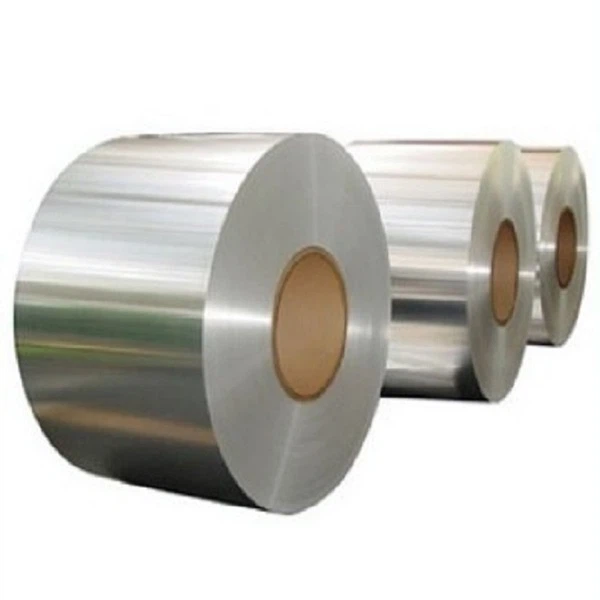
We also offer a wide range of colors and finishes to choose from, so you can find the perfect look for your project. Our team of experts is always available to provide you with technical support and advice, making sure that you get the right product for your needs.
If you're in the market for painted aluminum alloy coils, we'd love to hear from you. Whether you're a contractor, a manufacturer, or a DIY enthusiast, we can help you find the perfect solution for your project. Just reach out to us, and we'll start the conversation about how we can meet your requirements.
References
- "Aluminum Coating Technology Handbook"
- "Surface Treatment and Coating of Aluminum Alloys"